The story behind Meru Herbs

Based in rural Kenya, Meru Herbs began life as part of a community water project. What started as an effort to improve access to clean water has grown into a successful fair trade enterprise producing organic jams, sauces and herbal teas while creating employment and opportunities for local people.

A community-led beginning
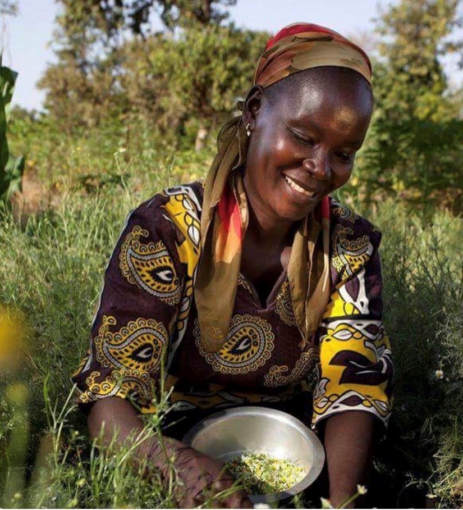
A Meru Herbs producer

The story of Meru Herbs dates back to 1989, when a water project was established to improve access to clean water in the local community.

Once the project was up and running, residents faced an important challenge: how could it be maintained and funded in the long term?

The solution was to create an income-generating business that could support the project while creating local jobs. Meru Herbs was established and began producing value-added food products using ingredients grown by local farmers.

More than 30 years later, the cooperative continues to support both livelihoods and community development.

Creating opportunities through fair trade

From the beginning, Meru Herbs has operated according to fair trade principles, helping ensure that producers and workers benefit directly from the success of the business.

The organisation creates employment opportunities within the local community, particularly for women and young people. These jobs provide income, skills development and greater financial independence, helping families invest in their futures.

Today, hundreds of small-scale producers contribute to the cooperative, supplying ingredients that are transformed into the products enjoyed by customers around the world.

From farm to finished product
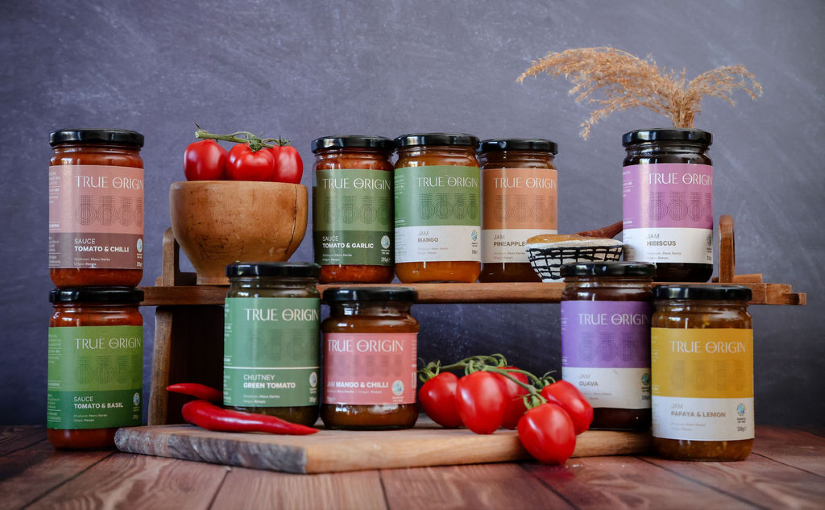
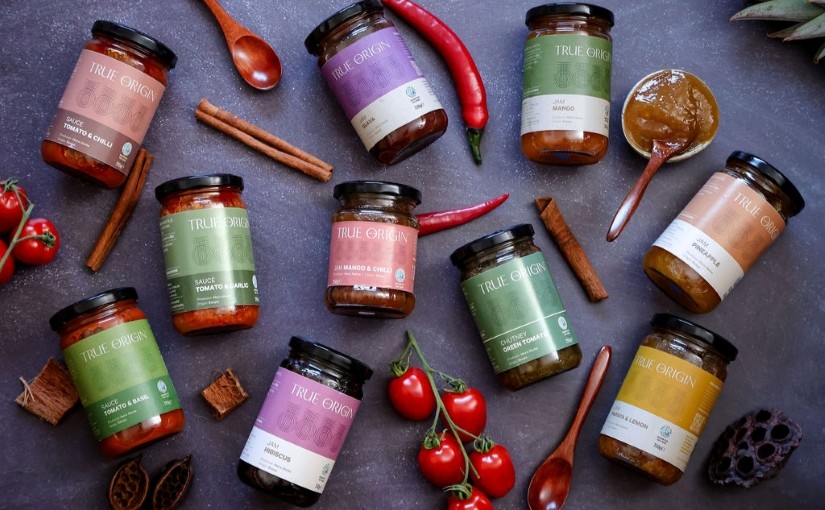
The True Origin Meru Herbs range arranged together on a table against a blue background

Meru Herbs works with local farmers who grow ingredients including tropical fruits, tomatoes and hibiscus using organic farming methods.

These ingredients are carefully processed into a range of jams, sauces and teas at the Meru Herbs production facility. Both the farms and processing unit are organically certified, reflecting a commitment to quality, sustainability and responsible production.

Every stage of the process is carefully managed to ensure the finished products are both delicious and ethically produced.

Working with True Origin

Bringing products from rural Kenya to UK customers requires strong partnerships.

Meru Herbs works with fair trade importer True Origin, an organisation dedicated to supporting producers and helping ethical products reach a wider audience. Through this partnership, Meru Herbs has been able to strengthen quality standards, develop new opportunities and continue investing in the future of the cooperative.

Looking ahead

Meru Herbs continues to look for ways to grow while staying true to the principles on which it was founded. Future plans include supporting more producers, creating additional employment opportunities and expanding the range of products available to customers.

Alongside this growth, the cooperative remains committed to sustainable farming, responsible production and supporting the local community that helped build its success.

Discover the range

From fruity jams and rich sauces to refreshing herbal teas, Meru Herbs products combine great taste with a strong commitment to fair trade and community development.

Explore our True Origin Meru Herbs range and discover the story behind every jar, bottle and box.
How a small producer from Eswatini is reshaping flavour with purpose

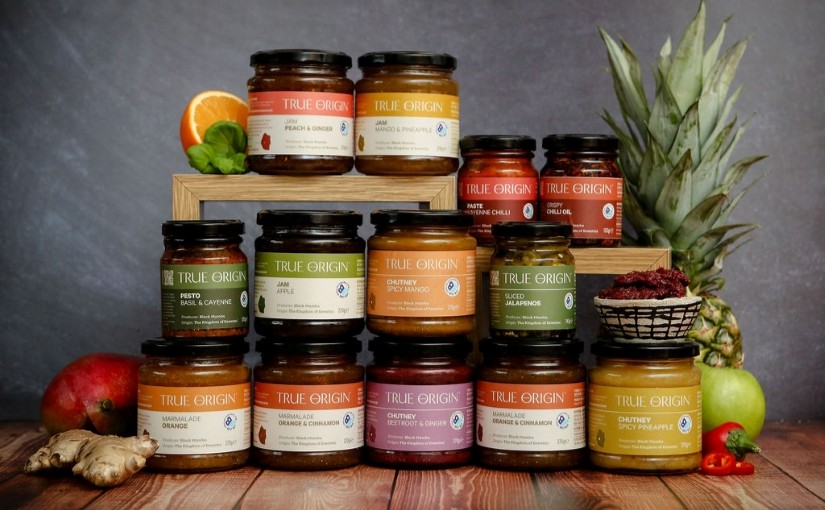
Some of the most distinctive products on our shelves come from brands that think far beyond food. One of those is Black Mamba Foods – in partnership with True Origin – a producer of chilli sauces, pestos and jams that carries a deeper mission alongside its bold flavours.

What makes their range stand out isn’t just taste, but the system behind it: regenerative agriculture, smallholder partnerships, and a strong commitment to community impact.

Bringing meaningful producers to the UK

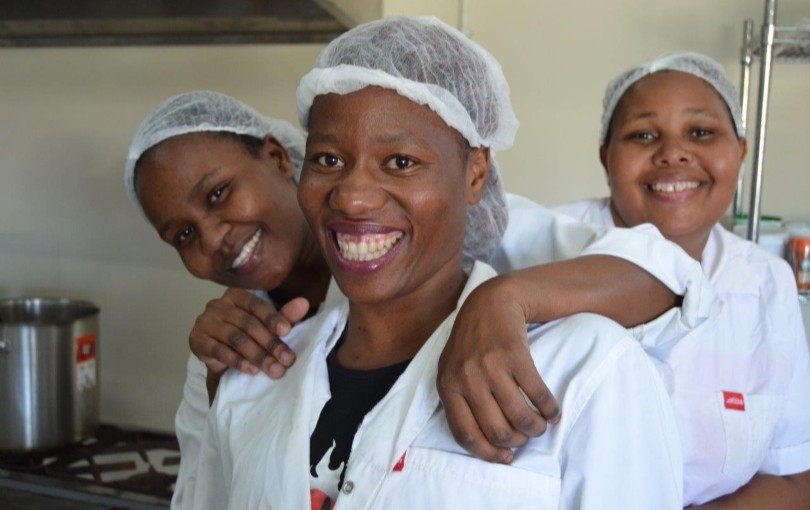
The members of the Black Mamba production team

True Origin work to connect UK customers with producers who are often far removed from mainstream retail supply chains.

The goal is simple: make it easier for shoppers to discover foods that are both high quality and transparently made. All while ensuring producers receive recognition for the value they create at origin.

For Black Mamba, this partnership helps their products reach a wider audience of consumers who are actively looking for ethical, traceable food with real provenance.

A brand built from a gap in the food system

Black Mamba was founded in 2010 after a clear imbalance was spotted in Eswatini. Despite strong agricultural potential, most vegetables were being imported rather than grown locally for domestic value chains.

The idea behind the business was to shift that pattern by:

  • creating fair market access for smallholder farmers
  • building skills in organic and regenerative farming
  • producing value food locally

Over time, this model has helped over 60 smallholder farms and employs a team that  is around 95% women.

What goes into every jar

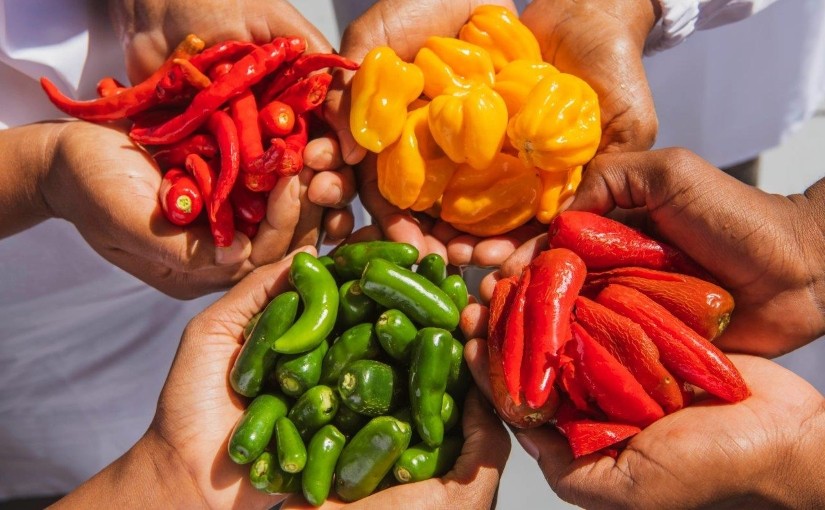
Four hands holding different colour chilies

Behind every bottle or jar is a production system that prioritises care over scale.

Ingredients such as chillies, fruits and herbs are grown using chemical-free, regenerative methods that focus on soil health and long-term productivity. Once harvested, they are processed in small batches to preserve both flavour and integrity.

The result is a range of products that are bold, vibrant and closely tied to their origin.

Impact beyond the product

What makes Black Mamba particularly notable is the structure around the products themselves.

Their model supports:

  • smallholder farmers receiving fair and stable income
  • a workforce that is predominantly women in skilled role
  • reduced reliance on imported produce in local markets

From field to finished product

Production begins in rural farming communities, where growers are trained in organic and permaculture-inspired techniques. These methods avoid synthetic chemicals and instead focus on soil regeneration and biodiversity.

Once harvested, fresh ingredients are transported to their facility in Matsapha, where they are transformed into finished products by a skilled production team.

Sustainability practices are embedded throughout the process, including:

  • glass packaging designed for recyclability
  • less than 3% landfill waste through recycling and composting systems
  • food safety standards are backed by FSSC22000 certification

It’s a production approach that aims to balance craft, safety, and environmental responsibility.

Shop the range

When you choose Black Mamba, you’re not just buying a condiment. You’re supporting a food system that values people, flavour, and the future equally.

Product recall: Essential Trading

Essential Trading is recalling the product below with immediate effect. Internal investigation has shown that the product may have been insufficiently thermally treated/sterilised. As a result, it cannot be ruled out that harmful micro-organisms may be present in the product that may pose a risk to public health.

Product details

  • Product Name: Organic Baked Beans in tomato sauce
  • Product Code: 394113
  • Brand: Essential Trading
  • Content: 350 grams
  • THT date: 31-12-2029
  • Lot code: LB226056 (see side of lid)
  • EAN code: 5029220857695

Health hazard

Consumption of this product may lead to health problems. Consumers are urged not to eat or use the product.

What you should do:

  • Check if you have bought the affected best before date of the product
  • Do not consume the product
  • Contact us with an image showing the Best Before Date and Lot Code for a full refund

For additional information, consumers can contact:

  • Essential Trading Email: care@essential-trading.coop
  • Essential Trading apologises for the inconvenience caused.

An ethical spring clean for your kitchen

Thinking of giving your kitchen the once-over? Or maybe it’s time for an intense deep clean? When it comes to food hygiene you can’t be too careful, but it’s a tricky balancing act – sometimes the most powerful cleaning agents are also the ones that damage the environment most.

Here’s our top picks for kitchen cleaning products that are both ethical and highly effective.     

Surfaces

Cleaning your countertops isn’t the most complicated task, but it’s important to use the right tool for the job. Daily kitchen cleaner from Method is non-toxic and gentle enough for everyday use – you don’t even need to rinse afterwards. For something a bit more potent, there’s Ecozone’s kitchen cleaner, which delivers the requisite cleaning power with a plant-based, vegan-friendly formula.

Kitchen towels

Ecoleaf by Suma kitchen towels

It’s easy to overlook the environmental impact of kitchen towels. They’re used and discarded so quickly, you might not think about the amount of water needed for production, or the number of trees being felled. Ecoleaf’s recycled kitchen roll is a more eco-friendly alternative, and Who Gives A Crap have branched out from toilet paper to offer a fully recycled option too.

Or eliminate the need for trees altogether with Cheeky Panda’s bamboo kitchen roll. Bamboo grows 20-30 times faster than trees and produce more oxygen to boot, making it a more sustainable crop all round. Eco Green Living and Ecoegg even produce bamboo kitchen towels that can be washed and re-used multiple times, decreasing waste even further.

Oven & hob

A person using Delphis Eco products to clean a hob

It’s probably not your favourite chore, but cleaning the oven doesn’t have to be an ordeal. Ecover oven & hob cleaner’s cruelty-free formula makes short work of burnt-on food – there’s also Miniml’s oven & hob cleaner made with 99.5% natural ingredients. Induction hob? Delphis has you covered with a vegan-friendly, sustainably-sourced cleaner that also works a treat on ceramic surfaces.

Rubber gloves

A pair of ecoLiving kitchen gloves next to a bamboo brush

A good pair of rubber gloves can ease the strain of almost any kitchen chore. Be careful though – they’re often sneakily made from synthetic materials and end up languishing for years in landfill. Traidcraft and Fair Zone both produce gloves made from natural, fairly traded rubber with a cotton lining for extra comfort. Ecoliving’s rubber gloves are biodegradable and compostable once you’re finished with them, while Seep’s come in small, medium and large for ease of use.

Washing up

The Seep cleaning range against a tiled background

Even something as simple as washing up with a plastic sponge can release large amounts of microplastics into the local ecosystem. Try our eco-friendly alternatives instead. Ecoliving’s dish brush comes with a hard-wearing replaceable head to minimise waste (also sold separately). Need to get into a tight space? The biodegradable coir bristles of a Loofco bottle brush will do the trick.

When it comes to washing-up liquid, it’s the single-use bottles you have to watch out for. Thankfully, some of our favourite brands offer a reusable bottle and refill packs to limit the amount of waste.  Grab a Bower Collective glass pump dispenser, for example, and you can refill it with recyclable pouches of pomegranate washing-up liquid as many times as you like. Miniml washing-up liquid bottles can be sent back to the manufacturer for reuse free of charge when you’re finished with them.

Drains

Unpleasant drain smells and blockages require powerful solutions, but anything you chuck down there will end up in waterways eventually – so make sure it’s nothing that’ll harm aquatic life or disrupt the ecosystem. Try a natural enzymatic product like Ecozone’s drain unblocker or cleaning sticks, or the bacteria-based cleaning power of Delphis eco drain cleaner.

Women owned brands

Today is International Women’s Day and it’s a great time to celebrate women’s achievements in the entrepreneurial world. Here at Natural Collection we strive to support female-founded and female-owned businesses wherever we can – here’s some of our favourites.

Miniml

Emma, Miniml founder in a kitchen using Miniml multi purpose cleaner

Some brands aim to leave their mark on the world, but Miniml is working to avoid just that – and with over 250 tonnes of plastic saved so far they’re delivering on their goal. Suffering from sensitive skin, founder Emma Tapper set out to help others like her, using natural vegan-friendly, cruelty-free ingredients to minimise irritation. So products like their anti-bacterial hand soap are gentle on your hands as well as the environment.

Beauty Kitchen

Jo Chidley, Beauty Kitchen creator.

Why can’t beauty products have sustainable ingredients AND packaging? That’s the question that led Jo Chidley to create Beauty Kitchen with its reusable, recyclable bottles and all-natural formulas. Their Bright Night intensive cream harnesses the power of sustainable microalgae to nourish and rejuvenate your complexion.

Cheeky Panda

Julie Chen , The Cheeky Panda founder

A trip to China inspired the creation of Cheeky Panda and their bamboo-derived toilet paper –  a range that’s since grown to include kitchen towels, period pads and anti-bacterial wipes. Under the leadership of Julie Chen and Chris Forbes it’s become a bestselling brand and won countless awards. Take their silky soft toilet tissue for a spin and you’ll see why.

FRUU Cosmetics

elly Yee and Terence Chung, Fruu founders

Turning plant-based ingredients and “wonky” fruit into sustainable cosmetics is the name of the game for FRUU, founded by Kelly Yee and Terence Chung in 2015. This makes them biodegradable and vegan-friendly by default – plus they donate a portion of profits to the World Wide Fund for Nature. So you can pick up a new cherry lip balm set with the knowledge you’re also doing some good in the world.

Seep

Telly fans might know Laura Harnett from her appearance on Dragon’s Den, where she secured a £50,000 investment from Deborah Meaden and Trinny Woodall – making Seep women-funded as well as women-founded. They specialise in high-quality plastic-free cleaning supplies, like these natural cellulose sponges with loofah scourers, their most popular product.

FLO

FLO founders Tara Chandra and Susan Allen

A conversation in a women’s bathroom about organic tampons was the genesis for Flo, with founders Tara Chandra and Susan Allen seeking a natural, eco-friendly alternative to synthetic period products. They aim to combat the stigma surrounding menstruation by supporting menstrual charities, dishing out clear, friendly info on their blog, and making their products – like these organic bamboo day pads – as accessible and affordable as possible.

Catherine’s Originals

Catherine Dodd, founder of Catherine's Originals

Catherine Dodd founded Catherine’s Originals when she was just 18, and under her stewardship it’s grown from a humble home kitchen operation to a nationwide supplier of vegan chocolates. Their Summer Selection provides a wide range of cheery fruit flavours, all completely dairy-free and ethically produced.

Easter shopping guide

Easter is just over a month away – whether you’re looking for a traditional egg or something more unique, Natural Collection has you covered. Here’s some of our favourite ethical Easter treats.

Booja Booja

Booja Booja Easter trinket box

Say no to disposable single-use packaging with Booja Booja’s quirky take on the Easter egg, a gorgeously hand-painted egg-shaped box full of vegan-friendly gluten-free truffles, in flavours ranging from honeycomb to hazelnut. Once empty you can use it to store jewellery and odds & ends. A larger box is also available with champagne or salted caramel truffles.

Mummy Meegz

Vegan chocolate experts Mummy Meegz specialise in replacements for your favourite choccy treats, and their Easter range is no different. Their signature Chuckie Eggs and Chickie Eggs mean vegans don’t have to miss out on the classic goodies at this time of year. If you can’t get enough of their oat milk chocolate, give this charming Easter bunny a go.

Catherine’s Originals

Catherine's Originals Obar

Enjoy more dairy-free variations on classic chocolate bars courtesy of Catherine’s Originals. Their O’Bar is packed full of almond and vegan-friendly honeycomb and also comes in white, pistachio and raspberry ripple varieties.

Montezuma’s

Montezumas Easter range against a pink background

Montezuma’s organic Easter egg range has everything you could possibly want. A dark chocolate egg that’s 100% cocoa solids? All yours. White chocolate strawberry cheesecake? Sorted. Hot cross bun truffle bites? Why not. A salted caramel chocolate chicken? Say no more.

Chococo

The Chococo Easter range against a yellow background

With their angular paint-splattered look, award-winning Dorset chocolatiers Chococo make Easter stylish and unique – and sustainable thanks to their recyclable plastic-free packaging and support for conservation and reforestation projects. Their oatmilk chocolate bunnies and dark chocolate orange eggs are perfect gifts for vegan chocolate lovers.

Moo Free

As the name suggests, you won’t find a hint of dairy in Moo Free’s chocolate – it’s all made with fair trade cocoa too.  Each egg comes with an accompanying chocolate bar of the same flavour, from cherry bakewell to rocky road. Grab their egg hunt kit for a bit of Easter fun with the kids.

Tony’s Chocolonely

Ending exploitation and inequality in the cocoa farming industry is at the centre of Tony’s Chocolonely’s operation, and they make a delicious Easter eggs along the way, especially when it’s infused with salted caramel. For a chance to sample their most popular flavours, try their chocolate egg mix.

Cartwright & Butler

Cartwright & Butler Easter Simnel loaf

Sick of chocolate? Cartwright and Butler provide an alternative range of sweet treats this Easter, such as their Easter biscuits, sultana-studded and flavoured with lemon oil. Or try their simnel loaf cake, a classic British springtime dessert. Both come beautifully presented in ornate reusable tins.

Suma: Food done fairly

Stock your cupboard with ingredients you can trust not just for taste but for the people and communities behind them.

Suma has been filling kitchens with organic, natural and fair trade food since 1977. Their mission is simple: good food, done fairly. From cupboard staples to speciality items, they focus on sourcing responsibly and supporting producers who share their values.

A different kind of food business

Two cans of Suma Kombucha next to two glasses filled with kombucha

What sets Suma apart is their structure. They’re a worker owned co-op, meaning there are no bosses and everyone is treated equally. Suma is Europe’s largest equal pay co-op, built on principles of fairness, integrity and sustainability.

That difference matters. It means the people who make the business work are the same people who benefit from it. Not just shareholders or external owners.

Transparent supply chains you can trust

Three bags of different pastas from suma along with pasta sauce on a wooden table (shot from above)

You don’t have to guess where your food comes from. Suma keeps their supply chains transparent and prioritise working with other co-ops and likeminded ethical producers whenever possible.

So, when you choose Suma, you’re choosing a brand that has already done the research for you and that’s a rare thing in today’s food market.

A small step towards a fairer food system

A can of Suma organic kidney beans on a wooden  table next to various plates of food

Suma isn’t just about selling food, they’re about supporting a fairer, more sustainable world. Every item is a small vote for better farming, fair pay, and ethical sourcing.

Whether you’re stocking up on organic beans and pulses, picking up fair trade coffee, choosing pasta from a co-op of Italian organic growers, or trying craft brewed kombucha from Yorkshire, Suma offers everyday essentials with real values behind them.

Shop the Suma range

If you want store cupboard staples that do more than just feed you, Suma is a simple way to make your everyday food choices more ethical, without compromising on quality or convenience.

How we choose the brands we stock (and why it matters)

Have you come across a product on Natural Collection you didn’t think was quite in line with our values? Natural, ethical, sustainable, eco-friendly… these unassuming terms mean lots of different things to different people, and it’s impossible to settle on a single definition that’ll satisfy everybody. We value transparency and honesty above all else, so here’s a quick overview of how we decide what brands to stock.

Our key categories

Every product we sell satisfies at least one of our main criteria: fair trade, organic, eco-friendly, vegan, or made in the UK. That last one is for carbon footprint reasons, since UK made products don’t have to travel far to reach us. Of course these aren’t the only qualities we look out for. We also prioritise products with health & wellness benefits or educational properties, and those produced by charitable organisations or their benefactors

Close up of the cover of the Women in Science book.
Women in Science hardback book

It would be great if everything we stocked satisfied all of these conditions, but that’s just not possible. No product is perfect! In striving to bring you a wide range of products, it’s inevitable that they will meet different ethical standards in different ways.

Certification

3 boxes of English Tea Shop Tea photographed from above against a pale pink background
Organic tea

When you think “fair trade”, you probably think of the Fairtrade Foundation and their reassuring Fairtrade mark. There’s certainly a lot of value in ethical products being so clearly signposted. But Fairtrade certification is expensive and often inaccessible to the smaller businesses we like to support. Organic certifications can be equally difficult to procure. So we’ll flag up those credentials when they’re present, but we’re also diligent about forming close relationships with trustworthy brands who prioritise transparency.

Animal welfare

A bag of V Dog pet food next to some of the food in some clear containers
Vegan pet food

Almost everything we sell is vegetarian friendly – the only exceptions are pet food and seafood. We do also stock vegan pet food, but it’s a widely debated topic and we feel it’s best to let you decide what’s best for your pets.

Our seafood products are supplied by Fish4Ever, who uphold extremely high standards of sustainability, including pole-and-line fishing for tuna to eliminate by-catch. In a huge market dominated by poor sustainability practises, we believe this is a valuable alternative to offer.

Animal welfare issues don’t stop there. We don’t stock any products that have been tested on animals, and we never will – that’s a promise.  Look out for the Leaping Bunny symbol for extra reassurance that what you’re buying is cruelty-free. You also won’t find real fur, feathers, leather, angora, silk or down in anything we sell.

Eco friendly

Palm oil is a widely used commodity linked to multiple ethical concerns, both environmental and in terms of human rights. Many of the products we stock are palm oil free – but not all. You can be sure that any palm oil found in our products is sustainably sourced and no one in the supply chain has been exploited in the process. This still isn’t ideal by any means, but it’s such a common ingredient – found in roughly half of all packaged goods worldwide – that we feel it’s better to offer sustainable alternatives than no alternatives at all.

Everything we stock is free from GMO ingredients. The possibility of cross-contamination remains an issue, which is where the Non-GMO Project Verified tag can provide extra reassurance with its stringent testing standards.

Empowering you

Ultimately, we believe in keeping you informed so that you can make your own purchasing decisions. That’s why every product is tagged with its ethical credentials, and we strive to provide as much supplementary information as possible – country of origin, nature of packaging materials, etc. In this way, you’re able to make informed choices and Buy What You Believe.

Buy cheap, buy twice

Why ethical fashion is cheaper than it looks

Ethical fashion often comes with a reputation for being expensive. Higher price tags can make it feel inaccessible, especially when fast fashion offers constant discounts and low upfront costs. But when you look beyond the price tag, ethical fashion is much more affordable than it first appears.

Beyond the price tag

Fast fashion prices are low because many of the real costs are hidden. Environmental damage, unsafe working conditions and unfair wages aren’t reflected on the tag.

Ethical fashion does the opposite. The price reflects:

  • fair wages
  • safe working conditions
  • responsible sourcing of materials
  • less waste
  • higher quality construction

What looks “expensive” upfront is often just honest pricing.

Fewer, better pieces

Fast fashion encourages constant replacement. Trends move quickly, fabrics wear out, and items lose shape after a few washes. This leads to repeat spending, even if each purchase feels small.

Ethical fashion supports a buy less, buy better approach. Each product typically has stronger seams and better fabrics while collections tend to feature thoughtful design over trends. Plus, individual pieces often work across seasons for longevity.

Quality that lasts

Well made clothing not only lasts longer, it’s also easier to live with. Ethical garments are often:

  • less prone to pilling or tearing
  • designed to wash well at lower temperatures
  • repairable, rather than disposable

That means fewer replacements and less money spent fixing or replacing items that fail prematurely.

Sales that don’t compromise your values

Ethical fashion sales can be a great opportunity to invest in high quality pieces at a lower price. Unlike fast fashion discounts designed to drive overconsumption, ethical sales often reflect responsible stock management and seasonal transitions.

It’s a chance to access pieces made to last.

Ethical fashion isn’t about spending more, it’s about spending differently. When you factor in longevity, cost per wear, and the true cost of production, ethical clothing is often far more economical than it appears.

Choosing less, better made pieces doesn’t just support fairer systems, it makes financial sense too.

Product recall: Booja Booja

This recall impacts the Booja Booja Fudgie Brownie Chocolate Wonders – 65g (product code 671874) that we sell.

This is due to the products not meeting their technical team’s standards and some showing signs of spoilage before their best before date.

This only affects batch numbers with the following best before dates (BBD):

  • Batch 584, BBD: 22.03.26
  • Batch 151, BBD: 14.04.26
  • Batch 615, BBD: 14.04.26
  • Batch 626, BBD: 21.04.26
  • Batch 659, BBD: 08.05.26
  • Batch 681, BBD: 17.05.26
  • Batch 704, BBD: 25.05.26
  • Batch 762, BBD: 30.06.26

What you should do

  • Check if you have bought the affected best before date of the product
  • Do not consume the product
  • Contact us for a full refund