From producer to pantry: the journey of an ethical product

Traceability and transparency are important values for any ethical product, but maybe none more so than chocolate. The chocolate industry is notoriously rife with exploitation and unfair treatment of farmers, meaning vigilance is of paramount importance.

A close up of three pairs of hands holding the range of 90g Divine Chocolate bars against a purple background

Come with us on a journey through the production chain for one of our favourite brands, Divine Chocolate.

Cocao beans: the start of ethical chocolate

Did you know cocao beans are technically seeds? They grow on the trunks and branches of cacao trees in 15-30cm ovoid pods. Cacao trees also have white-and-pink flowers that are pollenated by midges. They grow in hot places within 20 degrees of the equator – like Ghana, where Divine Chocolate sources their beans.

A Divine Chocolate worker holding a cacao pod

The amount of cocoa in chocolate varies by brand. Most Divine chocolate is 70% cocoa or more, which isn’t just good for flavour but ensures cocoa farmers get more work and better pay. Divine stick to natural ingredients and avoid monoculture crops like palm oil.

Harvesting cocoa sustainably

There’s an art to harvesting cacao beans. It must be done at the exact right level of ripeness and without damaging the rest of the tree. The pods are cut down, opened and scraped out – it’s skilful and labour-intensive work.

A Divine Chocolate worker handling cocoa seeds

Divine Chocolate was founded by Kuapa Kokoo, a Ghanaian cocoa farming collective who saw it as a more secure and profitable endeavour than dealing with the exploitative chocolate giants. Divine grew in leaps and bounds, but Kuapa still own 45% of the company – meaning fair treatment and fair wages remain a priority.

How chocolate is processed

Untreated cocao beans don’t taste much like chocolate – in fact they’re very bitter. The process of turning them into the sweet treat we all know and love is surprisingly convoluted. They first need to be wrapped in leaves and left in the heat to ferment, then spread on tables in the sun to dry out. Once dried, they’re stored in bags marked with a village code, keeping everything transparent and easily traceable.

Four Divine Chocolate producers

After being roasted, the beans are crushed to remove the cocao nibs from their shells. These nibs are then ground into cocoa mass, which can be separated into cocoa butter and cocoa powder. Both these products have their separate uses, but we’re making chocolate here; so butter and mass are recombined in a carefully controlled ratio, with milk and sugar added as appropriate.

A bit of conching (continuous stirring over several days) and tempering (slow cooling) later, Divine Chocolate have the basis of their chocolate. This is when it can be mixed with other ingredients like fruit, nuts, salt, or whatever flavour you like. Then it’s ready to be packed.

A close up a 35g wrapped Divine Chocolate creamy white chocolate bar

Ethical distribution and sustainability

Carbon-neutrality is a common aim for ethical businesses – Divine Chocolate’s warehouse for online orders goes one better by being carbon-negative. Air freight is kept to a minimum, and packaging is reviewed annually to make sure it maintains the highest environmental standards. No wonder Divine is certified both by Fairtrade International and B Lab.

Check out the full Divine Chocolate range.

Bio-D personal care range: eco-friendly, fragrance-free essentials

Meet the Bio-D personal care range

The Bio-D personal care range set against a light blue background

Best known for household and cleaning products, Bio-D have taken a step into the world of personal care with their new fragrance-free bath & shower range. Of course, their high quality and sustainability standards still apply, as does their commitment to vegan-friendly formulations. Let’s take a look at the new eco-friendly personal care products.

What’s new in the Bio-D range

Bio-D Shampoo – 500ml
Formulated with vitamins A, C, E and B12, antioxidants to nourish the hair and scalp, and a touch of soothing aloe vera.

Bio-D Conditioner – 500ml
Follow up with this light & easy conditioner that naturally detangles hair, leaving it nourished and shining.

Bio-D Body Wash – 500ml
A gentle body wash that moisturises as you cleanse. Made with 99% natural ingredients, it’s suitable for even the most sensitive skin.

Bio-D Bubble Bath – 1L
Kids and adults alike will enjoy this rich all-natural bubble bath that restores the skin’s natural hydration while you bathe.

Fragrance-free, gentle and suitable for sensitive skin

Bio-D personal care range including 5L refill bottles

All of these products are also available as 5L refills – so you can reuse your original bottle and recycle the new packaging, minimising wastage. Additionally, they’re fragrance-free and Allergy UK-approved as being unlikely to cause allergic reactions or irritate sensitive skin.

Sustainable, refillable and low-waste

Bio-D body wash and bubble bath range against a light blue background

Like all Bio-D products, this personal care range is designed to be gentle on the planet as well as the body. Everything here is fully biodegradable, vegan-friendly and septic-tank safe. Natural ingredients are used where possible, including sustainably sourced palm oil.

Bio-D avoids the litany of dodgy chemicals often found in competing products: chlorine bleach, glycerine, formaldehyde, phosphates, phthalates, triclosan, synthetic dyes and perfumes, you won’t find a single one here.

Why choose Bio-D?

A bottle of Bio-D fragrance free bubble bath against a blue background surrounded by bubbles

Over the last 35+ years, Bio-D have built a well-deserved reputation for products that are as eco-friendly as they are effective. As testament to their high standards of accountability and social and environmental performance, they’re verified by Ethical Consumer and B Corp certified. All their products are Leaping Bunny approved by Cruelty Free International – no animal testing here. 

Brand spotlight: Weleda

Sustainable beauty products aren’t a new idea – just look at Weleda, who have been providing them for over a century and show no signs of stopping. Though they’ve moved with the times, some things haven’t changed. They still sell some of the same products today as they did a hundred years ago.

Sustainability

Weleda have been dedicated to biodiversity since the beginning. Founders Ita Wegman, Rudolf Steiner and Oskar Schmiedel believed in the importance of a harmonious relationship between humans and plants, and today they follow this philosophy by growing ingredients in their own herb gardens using biodynamic methods – this includes using homemade plant-based compost, absolutely no pesticides or artificial fertilisers, and planting in accordance with the natural rhythms of the sun and moon.

As well as prioritising natural ingredients, Weleda eschew synthetic preservatives, microplastics, GMOs and mineral oils across their entire product range. They’re always looking at ways to improve the sustainability of their packaging too. Their deodorant – available in Sage and Citrus – has recently been repackaged to use more recycled plastic than before. The bottle for their Calendula Baby Lotion is now made from 97% recycled plastic (not including cap and label).

Skin Food

One of Weleda’s oldest and best-loved product ranges is Skin Food. Created in 1926, it’s become a favourite of celebrities and make-up artists the world over thanks to its multi-purpose nature. It can serve as a moisturiser, make-up primer, highlighter, hair styler, cuticle cream… there’s almost no end to its applications.

It comes in many forms too: maybe you’ll prefer the original formulation or the lighter version. Or you might find the lip balm or body butter suits your needs best. The breadth of the range is a testament to what a versatile creation it truly is.

B Corp

You don’t have to take Weleda’s word for it about their environmental credentials. They’re a certified B Corporation, meaning they meet B Lab’s exacting standards for eco-friendliness and social performance.

As part of B Corp Month, we’re offering 20% off all Weleda products throughout March –  so it’s a great time to stock up on beauty and skincare products, and know you’re making a positive impact on the environment in doing so.

Copper: An eco friendly cleaning material

When it comes to keeping your home neat and tidy without harming the planet, there are a few materials available like cellulose sponge, loofah and coconut fibre.

But have you considered copper? Copper was a traditional material found in Victorian kitchens before it fell out of fashion. Its unique properties make it a really great choice for lots of cleaning tasks and in this blog, our friends Seep will explore why.

Durability

Copper is very durable, especially when used in the form of copper cleaning scourers. These scourers can withstand heavy use and abrasive scrubbing. Whether you’re trying to shift ingrained residue or a greasy, crusty lasagne dish, copper scourers can handle the job efficiently and don’t lose their effectiveness over time.

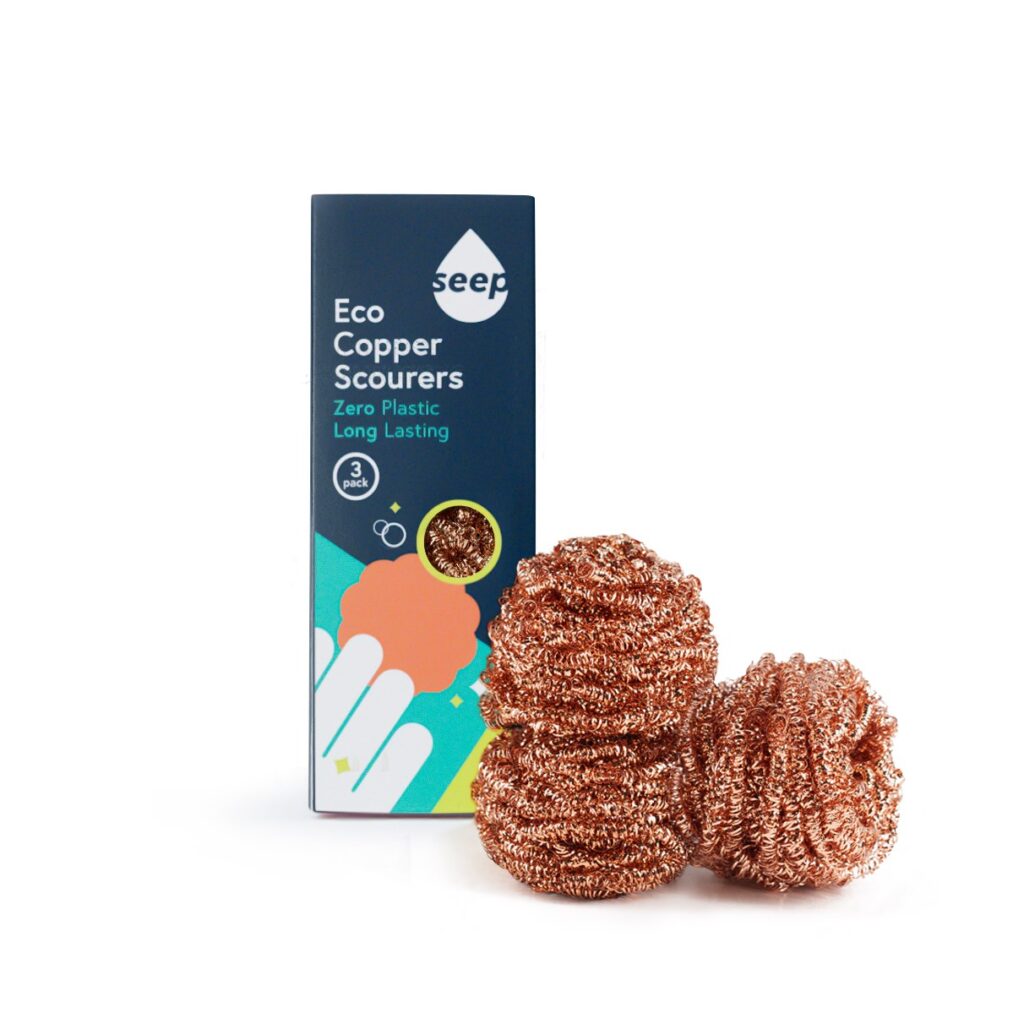
Three Seep copper scourers stacked against each other with the packaging in the background.

Eco-friendly

Copper is a natural resource that can be endlessly recycled, reducing waste in the long run. Some councils will recycle copper as part of your normal collection, others will have a waste metal recycling centre. Alternatively, you can take them along to your local scrap metal merchant and they may even give you some cash for them.

Copper can also be used as a slug and snail deterrent, so when you’ve finished using the scourers in your kitchen, you can wind them around your precious garden plants to protect them.

Corrosion resistance

Copper’s natural resistance to corrosion sets it apart from many other metals. You can confidently use copper scourers with water and various cleaning solutions without worrying about rust or deterioration.

This corrosion-resistant property makes copper scourers suitable for a wide range of cleaning tasks, from stainless steel appliances to ceramic surfaces. If they do tarnish a little bit over time, you can brighten them up quickly in a bowl of warm water and a few spoons of citric acid.

Antibacterial properties

Copper has innate antibacterial properties that help you keep things hygienic. Bacteria and germs have a tough time surviving on copper surfaces, making it an excellent choice for cleaning areas where cleanliness is super important, such as kitchens and bathrooms. It’s the reason that copper was used for milk jugs many years ago.

Heat conductivity

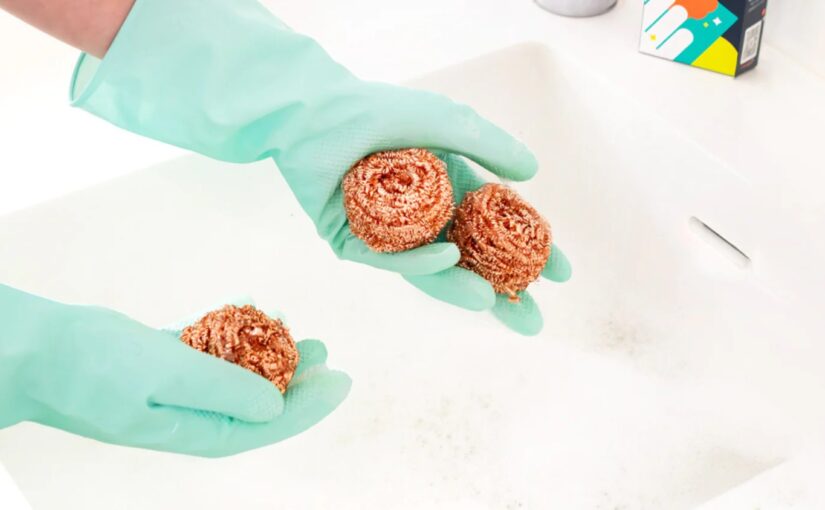
Copper has amazing heat conductivity which makes it a versatile choice for cleaning really tough messes with hot water. Don’t forget, if you want to protect your hands while using copper scourers with hot water, make sure you use some gloves.

In summary, copper’s durability, corrosion resistance, antibacterial properties, heat conductivity, and eco-friendliness make it an excellent choice for cleaning scourers.

We also think they’re really pretty when placed next to your sink!

Save during Veganuary

Throughout January we’re offering 3 for 2 across the Seep range. Purchase three (or more) items from the the range to take advantage of the discount. For every three items you purchase, the cheapest item will be free.

Offer ends 23:59 Wednesday 31st January 2024.

What is a Certified B Corporation?

It is becoming more and more apparent that a lot of businesses, particularly large international corporations are not behaving in a way that benefits society. As corporations get bigger they get further and further away from the idea or inspiration that started them up, the focus is no longer on making the best of whatever it is they make, instead the focus becomes entirely on profit to reward shareholders. The drive for profits may encourage them to improve how they do things, improve what they sell to appeal to more people, but the easier route to profit is to make things cheaper, put pressure on suppliers, pressure on the environment, to cut corners, to cheapen ingredients etc. Sadly the majority of household brands take this approach and it is difficult for consumers to know if a company is really acting in a responsible manner and will often hide behind a lot of advertising, most consumers are totally unaware of unethical practices large companies engage in.

Most people would rather buy from a company that does things right, they may be happy to get a few pence off the cost of their products but not when they find out about how that saving was made. Certified B Corporations are a new kind of business that balances purpose and profit. B Corporations could help us get around this problem and help people make better choices. Society’s most challenging problems cannot be solved by government and non-profits alone so this is where better ran, more ethical and sustainable businesses come in.

The B Corp Declaration of Interdependence:
We envision a global economy that uses business as a force for good.
This economy is comprised of a new type of corporation – the B Corporation – which is purpose-driven and creates benefit for all stakeholders, not just shareholders.
As B Corporations and leaders of this emerging economy, we believe:
• That we must be the change we seek in the world.
• That all business ought to be conducted as if people and place mattered.
• That, through their products, practices, and profits, businesses should aspire to do no harm and benefit all.
• To do so requires that we act with the understanding that we are each dependent upon another and thus responsible for each other and future generations.

The number of businesses choosing to become a Certified B Corporation is increasing and the certification is becoming more recognised by consumers who want to see businesses working for a better world at the same time as running a sustainable business. Some of our favourite brands on Natural Collection are Certified B Corporations, here are just a few;

Patagonia

Patagonia became a B Corp six years ago, but have been an ethical business from their inception. Patagonia are one of the leading outdoor clothing companies creating organic cotton clothing, sportswear and adventure gear whilst maintaining a sustainable and environmentally friendly business ethic. Their simple and inspirational Mission Statement is “Build the best product, do no unnecessary harm, use business to inspire and implement solutions to the environmental crisis.

Patagonia hold environmental and sustainable values, reflecting the ethos of those who run the company; a passionate crew of climbers and surfers who believe in minimalism, simplicity and style. Many of Patagonia’s clothing garments are made from organic cotton and recycled polyester.

Cafédirect

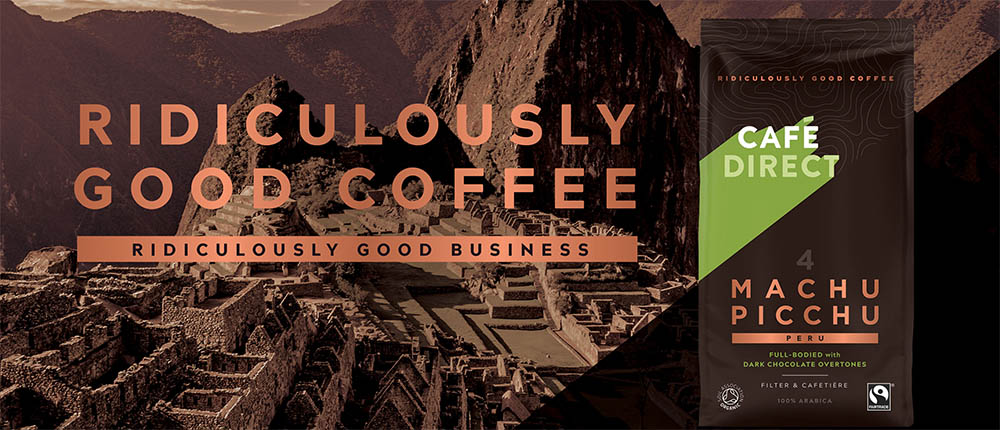
Cafédirect produce some of the most delicious coffee on the planet, and at the same time act as a responsible, sustainable business committed to Fairtrade. Cafédirect was the first UK coffee brand to be awarded this prestigious B corps certification. Cafédirect has always been pioneering. As well as being the first UK coffee company to be Fairtrade certified, Cafédirect always goes above and beyond to champion better ways of doing business. Unlike any other coffee company, Cafédirect invests 50% of its profits directly back into Producers Direct, a UK charity that works directly with growers around the world.

Badger Balm

Badger is a small, family-owned, family-run, and family-friendly company nestled in the woods of Gilsum, New Hampshire. Badger uses pure organic ingredients, blends them up to make them creamy, dreamy and ready to soothe, heal, and pamper. Badgers’ products are never tested on animals and contain no chemicals, preservatives, synthetics or GMOs – leaving room only for the best ingredients. Badger work hard to maintain a healthy community-minded business with ethical and charitable social principles.

That is only the tip of the iceberg, we work with a number of B Corps including; Dr Bronner, Divine Chooclate, gNappies, Herbatint, Ella’s Kitchen, Elvis and Kresse
Delphis, Bees Wrap, Cheeky Panda, Tony’s Chocolonely, Preserve, Rebel Kitchen, Yogi Tea, Lilys Kitchen, Pukka Organic, Full Circle and we are adding more and more all the time!