Best ethical clothing brands for sustainable summer style

At Natural Collection we’re committed to bringing you the best in sustainable fashion and ethical clothing brands in the UK and beyond. You can focus on finding your style and rest assured we’ve got everything else covered.

From slow fashion clothing to fair trade and eco-friendly materials, these brands are helping reshape the fashion industry for the better.

Check out some of our favourite brands and their ethical credentials below.

Lily & Me – ethical clothing made in their own factory

Close up of a woman wearing a Lily & Me seersucker dress

Transparency and traceability are key issues in the fashion supply chain, but they’re easily solved by simply owning your own factory. That’s what Lily & Me do, meaning they can ensure not just fair pay and good working conditions but also the most eco-friendly manufacturing methods.

In 2024 they were named “Sustainable Brand of the Year” by Boutique Magazine.

Their use of low-impact fabrics and thoughtful design makes them a strong example of ethical summer clothing, from breathable seersucker dresses to timeless wardrobe staples.

Nomads – slow fashion clothing built to last

A woman wearing a pair of Nomads wide leg jeans in green and a green and white frilled top.

In a world dominated by fast fashion and its environmental and social costs, Nomads are proud to embrace the slow fashion label.

Their small-batch clothing is made using sustainable materials such as:

  • Organic cotton
  • Eco-friendly viscose derived from wood pulp

By prioritising durability and ethical sourcing, Nomads help reduce textile waste and encourage conscious consumption. Their wide leg jeans and  frill shirt are designed to be worn for years, not seasons.

Komodo – sustainable fashion supporting rainforest conservation

Close up of a person wearing a komodo jersey top in blue

As members of 1% For The Planet, Komodo donate 1% of their annual sales to environmental causes – specifically the Sumatran Orangutan Society.

Their mission supports rainforest conservation and ecosystem restoration while producing stylish, ethical clothing such as this jersey top and chambray culottes.

Natural World – organic and eco-friendly footwear

The shoemakers at Natural World use only organic raw materials like cotton, cork and rubber. Their centuries-old eco-friendly production process is designed to minimise environmental impact while maintaining comfort and durability.

They create shoes for adults and children alike, all packaged in recycled and recyclable cardboard boxes. Their classic designs like these marino blue sandals will keep your feet cool during the hot weather.

White Stuff – Fairtrade cotton clothing for everyday wear

A close up of a woman wearing a White Stuff striped cardigan

The cotton farmers supplying White Stuff aren’t just paid the Fairtrade Minimum Price – the cooperatives also receive a Fairtrade Premium to fund schooling, healthcare and irrigation systems.

White Stuff are currently the biggest UK fashion retailer of Fairtrade Sourced Cotton and they show no signs of slowing down.

A 100% cotton garment is just the thing for summer – treat yourself to a leaf print shirt or a green stripe cardigan.

Pachamama – handmade knitwear with ethical production

Close up of a woman wearing the Pachamama knitted sun hat

The antidote to mass-produced clothing, Pachamama’s bespoke and ever-changing designs mean you’ll always stand out from the crowd.

Pachamama have formed close relationships with their suppliers and ensure good working conditions and fair pay.

The clothing is mostly produced by villagers who can fit their knitting around other work and family commitments. Knitwear might not be your first thought in warm weather, but a daisy sun hat will keep you nice and cool on a sunny day.

Why choose sustainable fashion brands?

Choosing ethical clothing brands helps reduce environmental impact, supports fair wages, and encourages responsible production methods.

By investing in slow fashion and sustainable materials, you’re helping to create a more responsible and transparent fashion industry.

Explore our full collection of eco-friendly clothing and sustainable fashion brands to shop more consciously this season.

Buy cheap, buy twice

Why ethical fashion is cheaper than it looks

Ethical fashion often comes with a reputation for being expensive. Higher price tags can make it feel inaccessible, especially when fast fashion offers constant discounts and low upfront costs. But when you look beyond the price tag, ethical fashion is much more affordable than it first appears.

Beyond the price tag

Fast fashion prices are low because many of the real costs are hidden. Environmental damage, unsafe working conditions and unfair wages aren’t reflected on the tag.

Ethical fashion does the opposite. The price reflects:

  • fair wages
  • safe working conditions
  • responsible sourcing of materials
  • less waste
  • higher quality construction

What looks “expensive” upfront is often just honest pricing.

Fewer, better pieces

Fast fashion encourages constant replacement. Trends move quickly, fabrics wear out, and items lose shape after a few washes. This leads to repeat spending, even if each purchase feels small.

Ethical fashion supports a buy less, buy better approach. Each product typically has stronger seams and better fabrics while collections tend to feature thoughtful design over trends. Plus, individual pieces often work across seasons for longevity.

Quality that lasts

Well made clothing not only lasts longer, it’s also easier to live with. Ethical garments are often:

  • less prone to pilling or tearing
  • designed to wash well at lower temperatures
  • repairable, rather than disposable

That means fewer replacements and less money spent fixing or replacing items that fail prematurely.

Sales that don’t compromise your values

Ethical fashion sales can be a great opportunity to invest in high quality pieces at a lower price. Unlike fast fashion discounts designed to drive overconsumption, ethical sales often reflect responsible stock management and seasonal transitions.

It’s a chance to access pieces made to last.

Ethical fashion isn’t about spending more, it’s about spending differently. When you factor in longevity, cost per wear, and the true cost of production, ethical clothing is often far more economical than it appears.

Choosing less, better made pieces doesn’t just support fairer systems, it makes financial sense too.

Fabric care for winter

There’s a chill in the air – time to dig your winter clothes out of the wardrobe and see how they’re holding up. As the weather gets colder, it pays to be aware of the qualities of different fabrics, especially when layering. And your nice warm jumper’s a lot less warm with holes in it. Here are our top tips for taking care of your clothes this winter.

Cotton

An easy one to start. Cotton doesn’t take much looking after, but there are still ways to maximise its life and keep it looking its best. As always, it’s best to check the laundry instructions on each garment, but in most cases a 30 degree wash will suffice – there’s no need to go higher unless you’re dealing with some serious dirt. For stains, try a spot clean first.

Drying on a washing line (preferably outside) is better than tumble drying, which can affect the shape of the garment. But beware of direct sunlight, which can cause colours to fade and fabric to weaken. Not that we’re expecting much sunlight this winter. Get layering with a White Stuff crew neck jumper or a zip hoodie from Silverstick.

Polyester

Another durable choice, but there’s risk of shrinkage or colour fading if the laundry temperature gets too high.  Avoid using bleach and harsh detergents as far as possible. Polyester is quick drying, too, so a low tumble dryer temperature will do the trick. If you’re drying on a line, direct sunlight is once again best avoided.

Warm and water-resistant, polyester is a reliable choice for winter jumpers and jackets.  A lightweight pullover from Patagonia will keep the cold winds out, or you might feel comfier in a Lily & Me everyday jumper.

Wool

Wool’s combination of warmth and breathability makes it a popular winter choice. It’s also a very long-lasting material if you look after it properly. Don’t over-wash! Wool has natural antibacterial properties, so there’s no need to wash as often as you would other fabrics. Let the garment air to get rid of odours and take a damp cloth to any stains.

When you do wash it, put it on a delicate cycle and a low temperature, or wash by hand. Don’t hang it up to dry – you risk letting it stretch and lose its shape. It’s best to dry it flat instead, and the same approach is also advised when putting it in the wardrobe. You might also want to let it “rest” regularly instead of wearing on consecutive days.

Pachamama are your one-stop shop for woollen knitwear – from cardigans and waistcoats  to hats and socks.

Fashion Revolution Week 2021 – Rights, Relationships and Revolution

Fashion Revolution Week (FRW) happens every year in the week of the 24th April. The 24th April is the date of the Rana Plaza collapse in 2013; one of the biggest industrial disasters in history.

The Rana Plaza was a building in Bangladesh which housed some major garment factories for some of the biggest fashion brands. It employed around 5000 people and more than 1100 people died when the factory collapsed and an additional 2500 people were injured. Many of the victims were young women.

Every year FRW has a different theme to highlight how problematic and damaging the fast fashion industry is. 2021’s theme is Rights, Relationships and Revolution.

Continue reading Fashion Revolution Week 2021 – Rights, Relationships and Revolution

Who are Traidcraft Exchange?

Traidcraft Exchange’s mission is to use the power of trade to create lasting solutions to poverty.

In theory, trade should be beneficial for everyone involved. As goods and money are exchanged everyone should benefit. However, in global trade this doesn’t happen. In a lot of cases global trade feeds the rich and exploits the poor and therefore traps people in poverty.

Everyone should be paid fairly for their work no matter which country you live in. When trade is done right, no one will live in poverty.

Continue reading Who are Traidcraft Exchange?

Thought’s AW20 Inspiration

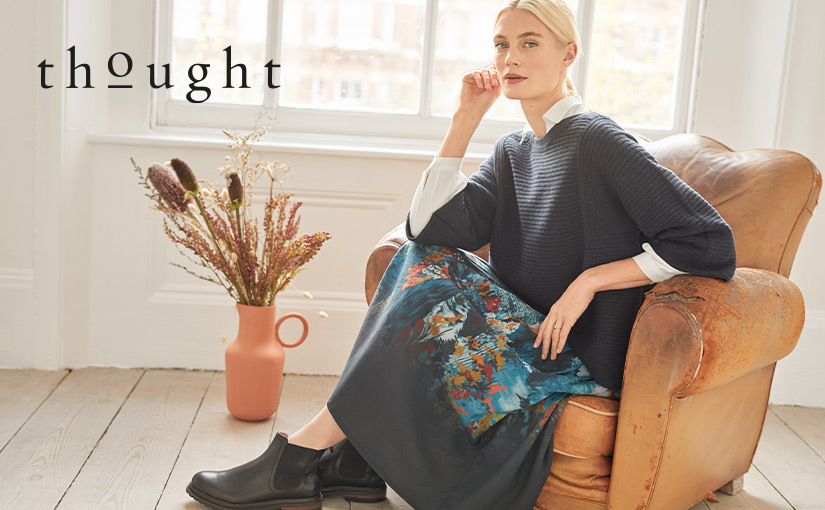
Thought’s mission is to ‘live more thoughtfully’. They are committed to offering more considered choices and exist to show that there are more sustainable ways to live, dress and be. Thought continue to be leaders in slow fashion by producing classic, timeless pieces that have been designed to last.

Their AW20 collection is made up of timeless pieces that are modern, high quality and seasonless. Thought want their collections to form the foundations of any person’s wardrobe in a beautiful, yet functional way.

For this collection, they have delved into the hidden corners of women’s history for inspiration and shaped their collection around women who celebrated nature and created a legacy that can be viewed and admired today.

Continue reading Thought’s AW20 Inspiration

Brand Story: FLUX

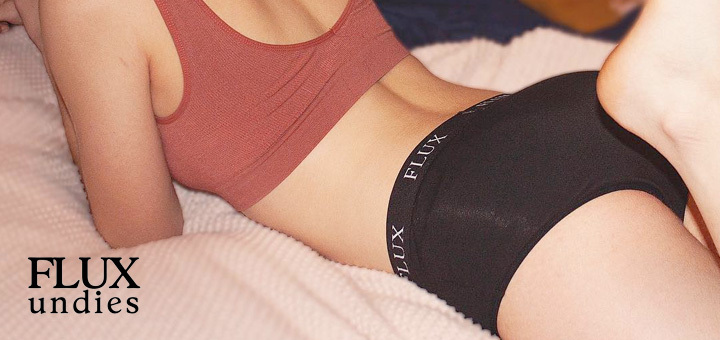
FLUX was founded in 2017 by Paige Fashoni. FLUX’s mission is to allow women to ‘re-think their periods’ by making functional underwear for periods, leaks and stains.

Every pair of FLUX looks and feels like normal underwear. Their underwear is reusable, washable and has been designed to completely replace disposable tampons and pads.

FLUX underwear is designed in the UK and made ethically all over the world. Their underwear is made by two family run manufacturers with over 50 years’ experience. In total, 70% of Flux’s underwear is made in China and the remaining 30% is produced in the UK. The factories that FLUX works and partners with undergo extensive audits, they are also ISO (International Organisation and Standardisation) and BSCI (Business Social Compliance Initiative) approved.

Continue reading Brand Story: FLUX

The Fashion Industry’s Response to COVID-19

The world is currently facing a pandemic, and this is having a huge effect on the people who make our clothes.

Retailers have had to close their doors and encourage their customer base to order online. None the less, the desire to buy new clothes appears to have decreased due to the Coronavirus making us focus on other aspects in our lives.

It is worth noting that there is potentially a positive amidst this crisis that we are learning to care for the clothes we already own better, more and more people are opting to mend and make clothes and also adopt a mindset of longevity when it comes to our wardrobes; suggesting an encouraging step to end overconsumption.

However, the halt in manufacturing has meant that the most vulnerable, lowest paid people in the fashion supply chain are feeling the worst effects. IndustriALL, the global trade union has reported that millions of garment workers have lost their jobs as a result of the virus and have no access to social or financial safety nets.

Continue reading The Fashion Industry’s Response to COVID-19

Fashion Revolution Week 2020 – Our Brand Spotlight

2020 marks the seven-year anniversary of the Rana Plaza disaster. The Rana Plaza factory was a five-story building that housed garment factories for big global brands. In 2013, the factory collapsed killing 1,138 people and injured 2,500 more people; many of the victims were mostly young women.

From this the Fashion Revolution movement was born. The people behind the Fashion Revolution movement have called for an overhaul of the fashion industry and strive to make sure exploitation of people comes to an end and ensure that production methods respect our environment.

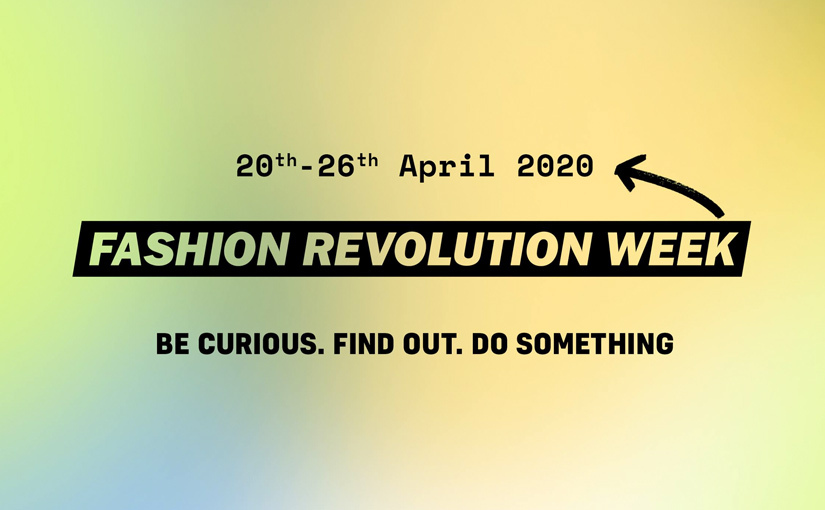
Taking place from the 20th – 26th April, this year’s Fashion Revolution Week will once again encourage millions of people to come together to campaign for systemic change within the fashion industry.

Continue reading Fashion Revolution Week 2020 – Our Brand Spotlight

How to Create a Sustainable Wardrobe

The choices we make day to day impact our planet. There are a limited number of resources available and the Earth is only able to put up with a particular amount of greenhouse gases in order to stay healthy. It can sometimes be hard to identify ways in which you can be sustainable, so it’s better to focus on one area at a time. Follow these tips on how to create sustainable wardrobe to get you started.

Continue reading How to Create a Sustainable Wardrobe