The story behind Meru Herbs

Based in rural Kenya, Meru Herbs began life as part of a community water project. What started as an effort to improve access to clean water has grown into a successful fair trade enterprise producing organic jams, sauces and herbal teas while creating employment and opportunities for local people.

A community-led beginning
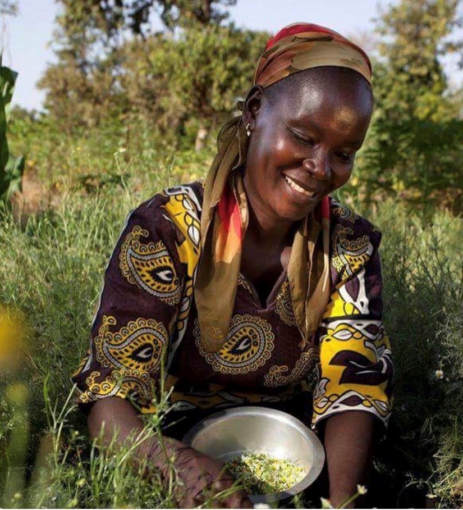
A Meru Herbs producer

The story of Meru Herbs dates back to 1989, when a water project was established to improve access to clean water in the local community.

Once the project was up and running, residents faced an important challenge: how could it be maintained and funded in the long term?

The solution was to create an income-generating business that could support the project while creating local jobs. Meru Herbs was established and began producing value-added food products using ingredients grown by local farmers.

More than 30 years later, the cooperative continues to support both livelihoods and community development.

Creating opportunities through fair trade

From the beginning, Meru Herbs has operated according to fair trade principles, helping ensure that producers and workers benefit directly from the success of the business.

The organisation creates employment opportunities within the local community, particularly for women and young people. These jobs provide income, skills development and greater financial independence, helping families invest in their futures.

Today, hundreds of small-scale producers contribute to the cooperative, supplying ingredients that are transformed into the products enjoyed by customers around the world.

From farm to finished product
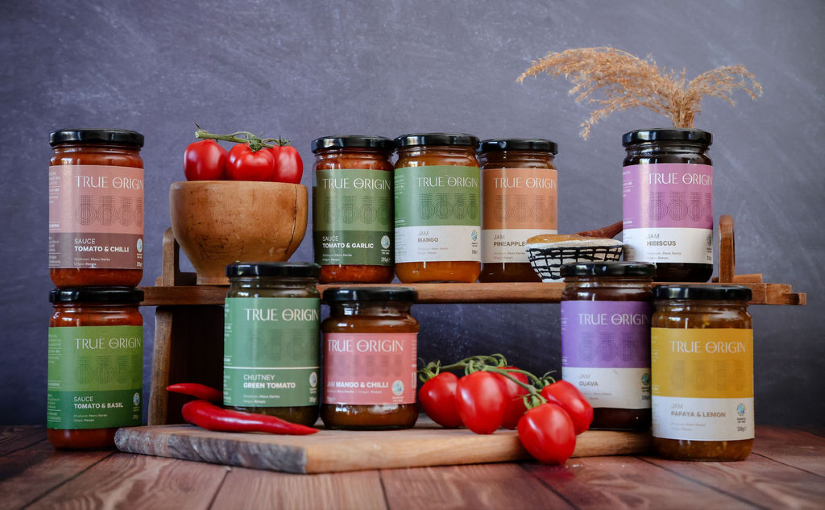
The True Origin Meru Herbs range arranged together on a table against a blue background

Meru Herbs works with local farmers who grow ingredients including tropical fruits, tomatoes and hibiscus using organic farming methods.

These ingredients are carefully processed into a range of jams, sauces and teas at the Meru Herbs production facility. Both the farms and processing unit are organically certified, reflecting a commitment to quality, sustainability and responsible production.

Every stage of the process is carefully managed to ensure the finished products are both delicious and ethically produced.

Working with True Origin

Bringing products from rural Kenya to UK customers requires strong partnerships.

Meru Herbs works with fair trade importer True Origin, an organisation dedicated to supporting producers and helping ethical products reach a wider audience. Through this partnership, Meru Herbs has been able to strengthen quality standards, develop new opportunities and continue investing in the future of the cooperative.

Looking ahead

Meru Herbs continues to look for ways to grow while staying true to the principles on which it was founded. Future plans include supporting more producers, creating additional employment opportunities and expanding the range of products available to customers.

Alongside this growth, the cooperative remains committed to sustainable farming, responsible production and supporting the local community that helped build its success.

Discover the range

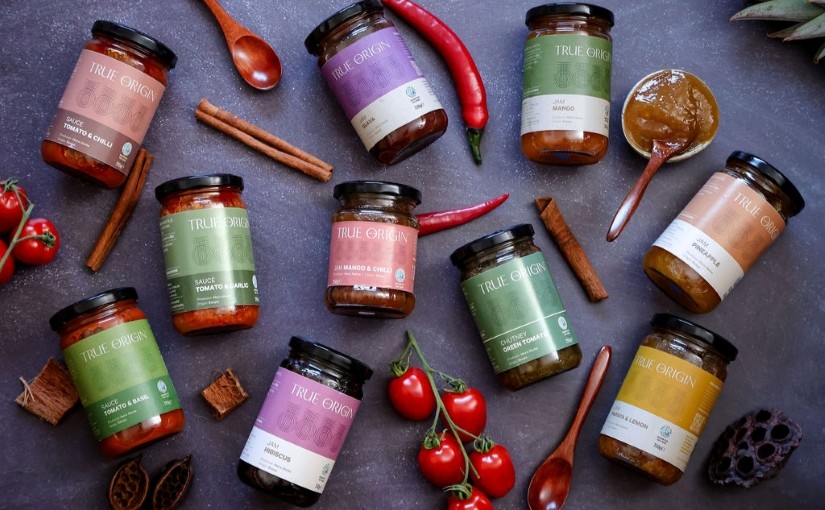
From fruity jams and rich sauces to refreshing herbal teas, Meru Herbs products combine great taste with a strong commitment to fair trade and community development.

Explore our True Origin Meru Herbs range and discover the story behind every jar, bottle and box.
How a small producer from Eswatini is reshaping flavour with purpose

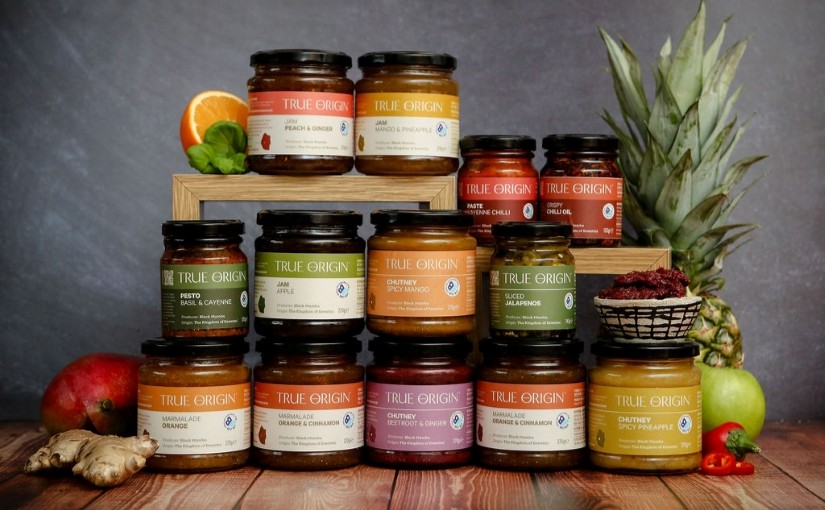
Some of the most distinctive products on our shelves come from brands that think far beyond food. One of those is Black Mamba Foods – in partnership with True Origin – a producer of chilli sauces, pestos and jams that carries a deeper mission alongside its bold flavours.

What makes their range stand out isn’t just taste, but the system behind it: regenerative agriculture, smallholder partnerships, and a strong commitment to community impact.

Bringing meaningful producers to the UK

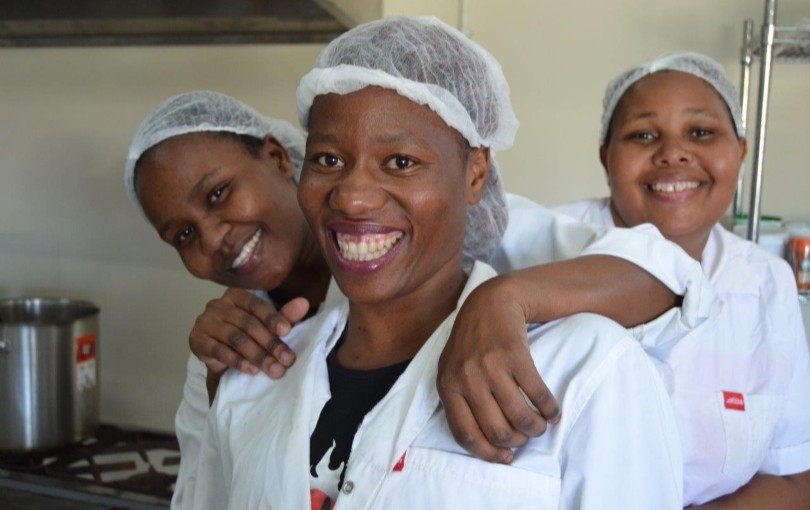
The members of the Black Mamba production team

True Origin work to connect UK customers with producers who are often far removed from mainstream retail supply chains.

The goal is simple: make it easier for shoppers to discover foods that are both high quality and transparently made. All while ensuring producers receive recognition for the value they create at origin.

For Black Mamba, this partnership helps their products reach a wider audience of consumers who are actively looking for ethical, traceable food with real provenance.

A brand built from a gap in the food system

Black Mamba was founded in 2010 after a clear imbalance was spotted in Eswatini. Despite strong agricultural potential, most vegetables were being imported rather than grown locally for domestic value chains.

The idea behind the business was to shift that pattern by:

  • creating fair market access for smallholder farmers
  • building skills in organic and regenerative farming
  • producing value food locally

Over time, this model has helped over 60 smallholder farms and employs a team that  is around 95% women.

What goes into every jar

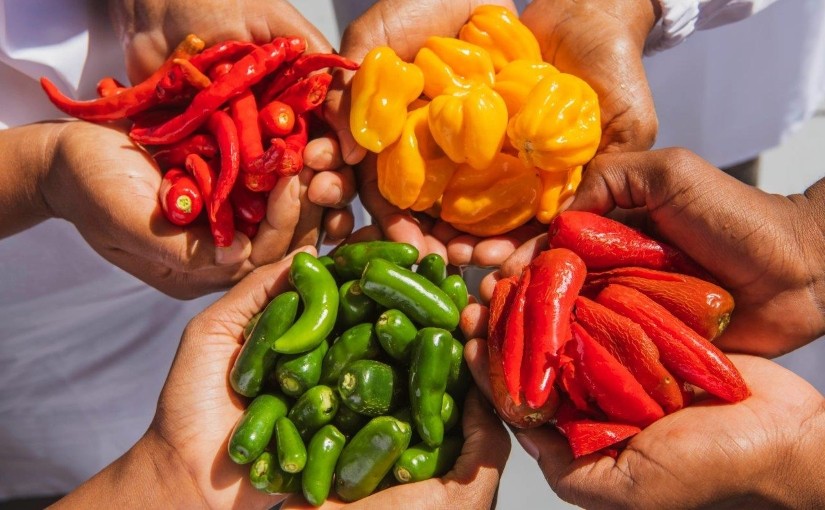
Four hands holding different colour chilies

Behind every bottle or jar is a production system that prioritises care over scale.

Ingredients such as chillies, fruits and herbs are grown using chemical-free, regenerative methods that focus on soil health and long-term productivity. Once harvested, they are processed in small batches to preserve both flavour and integrity.

The result is a range of products that are bold, vibrant and closely tied to their origin.

Impact beyond the product

What makes Black Mamba particularly notable is the structure around the products themselves.

Their model supports:

  • smallholder farmers receiving fair and stable income
  • a workforce that is predominantly women in skilled role
  • reduced reliance on imported produce in local markets

From field to finished product

Production begins in rural farming communities, where growers are trained in organic and permaculture-inspired techniques. These methods avoid synthetic chemicals and instead focus on soil regeneration and biodiversity.

Once harvested, fresh ingredients are transported to their facility in Matsapha, where they are transformed into finished products by a skilled production team.

Sustainability practices are embedded throughout the process, including:

  • glass packaging designed for recyclability
  • less than 3% landfill waste through recycling and composting systems
  • food safety standards are backed by FSSC22000 certification

It’s a production approach that aims to balance craft, safety, and environmental responsibility.

Shop the range

When you choose Black Mamba, you’re not just buying a condiment. You’re supporting a food system that values people, flavour, and the future equally.

Best ethical clothing brands for sustainable summer style

At Natural Collection we’re committed to bringing you the best in sustainable fashion and ethical clothing brands in the UK and beyond. You can focus on finding your style and rest assured we’ve got everything else covered.

From slow fashion clothing to fair trade and eco-friendly materials, these brands are helping reshape the fashion industry for the better.

Check out some of our favourite brands and their ethical credentials below.

Lily & Me – ethical clothing made in their own factory

Close up of a woman wearing a Lily & Me seersucker dress

Transparency and traceability are key issues in the fashion supply chain, but they’re easily solved by simply owning your own factory. That’s what Lily & Me do, meaning they can ensure not just fair pay and good working conditions but also the most eco-friendly manufacturing methods.

In 2024 they were named “Sustainable Brand of the Year” by Boutique Magazine.

Their use of low-impact fabrics and thoughtful design makes them a strong example of ethical summer clothing, from breathable seersucker dresses to timeless wardrobe staples.

Nomads – slow fashion clothing built to last

A woman wearing a pair of Nomads wide leg jeans in green and a green and white frilled top.

In a world dominated by fast fashion and its environmental and social costs, Nomads are proud to embrace the slow fashion label.

Their small-batch clothing is made using sustainable materials such as:

  • Organic cotton
  • Eco-friendly viscose derived from wood pulp

By prioritising durability and ethical sourcing, Nomads help reduce textile waste and encourage conscious consumption. Their wide leg jeans and  frill shirt are designed to be worn for years, not seasons.

Komodo – sustainable fashion supporting rainforest conservation

Close up of a person wearing a komodo jersey top in blue

As members of 1% For The Planet, Komodo donate 1% of their annual sales to environmental causes – specifically the Sumatran Orangutan Society.

Their mission supports rainforest conservation and ecosystem restoration while producing stylish, ethical clothing such as this jersey top and chambray culottes.

Natural World – organic and eco-friendly footwear

The shoemakers at Natural World use only organic raw materials like cotton, cork and rubber. Their centuries-old eco-friendly production process is designed to minimise environmental impact while maintaining comfort and durability.

They create shoes for adults and children alike, all packaged in recycled and recyclable cardboard boxes. Their classic designs like these marino blue sandals will keep your feet cool during the hot weather.

White Stuff – Fairtrade cotton clothing for everyday wear

A close up of a woman wearing a White Stuff striped cardigan

The cotton farmers supplying White Stuff aren’t just paid the Fairtrade Minimum Price – the cooperatives also receive a Fairtrade Premium to fund schooling, healthcare and irrigation systems.

White Stuff are currently the biggest UK fashion retailer of Fairtrade Sourced Cotton and they show no signs of slowing down.

A 100% cotton garment is just the thing for summer – treat yourself to a leaf print shirt or a green stripe cardigan.

Pachamama – handmade knitwear with ethical production

Close up of a woman wearing the Pachamama knitted sun hat

The antidote to mass-produced clothing, Pachamama’s bespoke and ever-changing designs mean you’ll always stand out from the crowd.

Pachamama have formed close relationships with their suppliers and ensure good working conditions and fair pay.

The clothing is mostly produced by villagers who can fit their knitting around other work and family commitments. Knitwear might not be your first thought in warm weather, but a daisy sun hat will keep you nice and cool on a sunny day.

Why choose sustainable fashion brands?

Choosing ethical clothing brands helps reduce environmental impact, supports fair wages, and encourages responsible production methods.

By investing in slow fashion and sustainable materials, you’re helping to create a more responsible and transparent fashion industry.

Explore our full collection of eco-friendly clothing and sustainable fashion brands to shop more consciously this season.

From producer to pantry: the journey of an ethical product

Traceability and transparency are important values for any ethical product, but maybe none more so than chocolate. The chocolate industry is notoriously rife with exploitation and unfair treatment of farmers, meaning vigilance is of paramount importance.

A close up of three pairs of hands holding the range of 90g Divine Chocolate bars against a purple background

Come with us on a journey through the production chain for one of our favourite brands, Divine Chocolate.

Cocao beans: the start of ethical chocolate

Did you know cocao beans are technically seeds? They grow on the trunks and branches of cacao trees in 15-30cm ovoid pods. Cacao trees also have white-and-pink flowers that are pollenated by midges. They grow in hot places within 20 degrees of the equator – like Ghana, where Divine Chocolate sources their beans.

A Divine Chocolate worker holding a cacao pod

The amount of cocoa in chocolate varies by brand. Most Divine chocolate is 70% cocoa or more, which isn’t just good for flavour but ensures cocoa farmers get more work and better pay. Divine stick to natural ingredients and avoid monoculture crops like palm oil.

Harvesting cocoa sustainably

There’s an art to harvesting cacao beans. It must be done at the exact right level of ripeness and without damaging the rest of the tree. The pods are cut down, opened and scraped out – it’s skilful and labour-intensive work.

A Divine Chocolate worker handling cocoa seeds

Divine Chocolate was founded by Kuapa Kokoo, a Ghanaian cocoa farming collective who saw it as a more secure and profitable endeavour than dealing with the exploitative chocolate giants. Divine grew in leaps and bounds, but Kuapa still own 45% of the company – meaning fair treatment and fair wages remain a priority.

How chocolate is processed

Untreated cocao beans don’t taste much like chocolate – in fact they’re very bitter. The process of turning them into the sweet treat we all know and love is surprisingly convoluted. They first need to be wrapped in leaves and left in the heat to ferment, then spread on tables in the sun to dry out. Once dried, they’re stored in bags marked with a village code, keeping everything transparent and easily traceable.

Four Divine Chocolate producers

After being roasted, the beans are crushed to remove the cocao nibs from their shells. These nibs are then ground into cocoa mass, which can be separated into cocoa butter and cocoa powder. Both these products have their separate uses, but we’re making chocolate here; so butter and mass are recombined in a carefully controlled ratio, with milk and sugar added as appropriate.

A bit of conching (continuous stirring over several days) and tempering (slow cooling) later, Divine Chocolate have the basis of their chocolate. This is when it can be mixed with other ingredients like fruit, nuts, salt, or whatever flavour you like. Then it’s ready to be packed.

A close up a 35g wrapped Divine Chocolate creamy white chocolate bar

Ethical distribution and sustainability

Carbon-neutrality is a common aim for ethical businesses – Divine Chocolate’s warehouse for online orders goes one better by being carbon-negative. Air freight is kept to a minimum, and packaging is reviewed annually to make sure it maintains the highest environmental standards. No wonder Divine is certified both by Fairtrade International and B Lab.

Check out the full Divine Chocolate range.

Women owned brands

Today is International Women’s Day and it’s a great time to celebrate women’s achievements in the entrepreneurial world. Here at Natural Collection we strive to support female-founded and female-owned businesses wherever we can – here’s some of our favourites.

Miniml

Emma, Miniml founder in a kitchen using Miniml multi purpose cleaner

Some brands aim to leave their mark on the world, but Miniml is working to avoid just that – and with over 250 tonnes of plastic saved so far they’re delivering on their goal. Suffering from sensitive skin, founder Emma Tapper set out to help others like her, using natural vegan-friendly, cruelty-free ingredients to minimise irritation. So products like their anti-bacterial hand soap are gentle on your hands as well as the environment.

Beauty Kitchen

Jo Chidley, Beauty Kitchen creator.

Why can’t beauty products have sustainable ingredients AND packaging? That’s the question that led Jo Chidley to create Beauty Kitchen with its reusable, recyclable bottles and all-natural formulas. Their Bright Night intensive cream harnesses the power of sustainable microalgae to nourish and rejuvenate your complexion.

Cheeky Panda

Julie Chen , The Cheeky Panda founder

A trip to China inspired the creation of Cheeky Panda and their bamboo-derived toilet paper –  a range that’s since grown to include kitchen towels, period pads and anti-bacterial wipes. Under the leadership of Julie Chen and Chris Forbes it’s become a bestselling brand and won countless awards. Take their silky soft toilet tissue for a spin and you’ll see why.

FRUU Cosmetics

elly Yee and Terence Chung, Fruu founders

Turning plant-based ingredients and “wonky” fruit into sustainable cosmetics is the name of the game for FRUU, founded by Kelly Yee and Terence Chung in 2015. This makes them biodegradable and vegan-friendly by default – plus they donate a portion of profits to the World Wide Fund for Nature. So you can pick up a new cherry lip balm set with the knowledge you’re also doing some good in the world.

Seep

Telly fans might know Laura Harnett from her appearance on Dragon’s Den, where she secured a £50,000 investment from Deborah Meaden and Trinny Woodall – making Seep women-funded as well as women-founded. They specialise in high-quality plastic-free cleaning supplies, like these natural cellulose sponges with loofah scourers, their most popular product.

FLO

FLO founders Tara Chandra and Susan Allen

A conversation in a women’s bathroom about organic tampons was the genesis for Flo, with founders Tara Chandra and Susan Allen seeking a natural, eco-friendly alternative to synthetic period products. They aim to combat the stigma surrounding menstruation by supporting menstrual charities, dishing out clear, friendly info on their blog, and making their products – like these organic bamboo day pads – as accessible and affordable as possible.

Catherine’s Originals

Catherine Dodd, founder of Catherine's Originals

Catherine Dodd founded Catherine’s Originals when she was just 18, and under her stewardship it’s grown from a humble home kitchen operation to a nationwide supplier of vegan chocolates. Their Summer Selection provides a wide range of cheery fruit flavours, all completely dairy-free and ethically produced.

Why white vinegar belongs in every home

We all need cleaning products to be tough on dirt and grime. The problem is that these products tend to be just as harsh on the environment when they inevitably end up there. Chemicals may filter into bodies of water and enter the food chain. Some take a long time to decompose, while others may never break down properly.  

What’s needed is a cleaning agent with natural origins, that’s as eco-friendly as it is powerful. As luck would have it, we know just the thing.

White vinegar

The Miniml lemon white vinegar range against a yellow background with some lemons nearby

White vinegar is the closest thing you can imagine to an all-purpose cleaning product. It’s truly remarkable how many applications it has around the home. It can be used to clean floors, countertops, windows, mirrors, and even rugs and carpets. It even works on chopping boards, scrubbing grills, for polishing jewellery or freshening the inside of the fridge.

The list goes on

  • A quick splash added to the washing machine can soften fabrics, brighten whites and remove odours
  • Use it with baking soda to unblock a clogged drain
  • Mix with washing-up liquid in a dish to trap fruit flies
  • Add to aloe vera gel and you’ve got a homemade hand sanitiser

About the only thing it can’t do is clean stone, marble or granite surfaces – other than that, let your imagination run wild.

Eco friendliness

Being a natural substance, white vinegar is fully biodegradable and doesn’t leave anything nasty behind on the surfaces it cleans. It’s made from vegan and non-toxic ingredients, via a process that’s a lot less polluting than the production of standard chemical cleaning products. Septic tank owners can rest assured that it won’t harm the bacteria in their tank, either.

All this doesn’t mean you can purchase white vinegar completely free from environmental concerns. Like any other product, it still has to be packaged and transported, and that means it has a carbon footprint – it’s unavoidable. But that’s where Miniml come in.

Miniml

Two hands holding a bottle of Miniml wild rhubarb white vinegar

Packaging is a necessary evil with cleaning products, but Miniml’s closed loop system goes a long way towards addressing the issue. After finishing your 750ml bottle of Miniml unscented white vinegar, you can refill with 1L pouches and 5L containers – or even 20L, if you can’t get enough of the stuff. The containers can then be sent back to Miniml, where they’ll be cleaned and reused again and again, getting as much use as possible out of each one.  

The same goes for their wild rhubarb and lemon-scented white vinegar, as well as the rest of their product range. They’re a UK-based company too, so their products don’t have to travel far each time.

Check out the full Miniml range right here on Natural Collection.

Plastic free cleaning done right: why Seep is the sustainable choice

Sustainable, Everyday, Essential Products – that’s what Seep stands for, in every sense. They’re on a mission to replace your ordinary household cleaning products with sustainable plastic-free alternatives. You might have seen founder Laura Harnet on Dragon’s Den earlier this year, where she impressed Deborah Meaden and Trinny Woodall enough to secure a big investment. And that’s just the beginning of Seep’s accomplishments.

A still from the founder of Seep presenting on Dragons Den

No plastic required

First and foremost, every single Seep product is 100% plastic-free – no polyester, no acrylic, no recycled PET. Instead, they employ a range of sustainable alternatives, from bamboo and natural rubber to bio polymer and wood pulp cellulose. As a result, many products are biodegradable or compostable.

A collection of Seep products against a white background

Each product is designed to minimise waste, and all packaging is recyclable and compostable. Seep keep their carbon footprint as low as possible, and support forest regeneration schemes to offset the emissions they can’t eliminate altogether. This makes their products carbon-neutral purchases.

Certified B Corporation

Any company can claim to be environmentally friendly, but Seep have the evidence to back it up. They recently completed B Corporation recertification, receiving a score of 109 points – this makes them the highest-rated cleaning product company assessed by B Lab. It’s far from the first time they’ve performed well. In 2022 they were recognised as Best For The World, meaning they scored in the top 5% of B Corps worldwide.

A close up of a persons hand holding a Seep sponge and cleaning an oven

B Corp certification measures a company’s impact on their workers, community, environment and customers. Seep’s high score reflects not only their eco-friendly practises but also the fair pay their workers receive and their partnerships with various charities. These include reforestation organisation On A Mission, and FoodCycle and The Felix Project, who both work to deliver surplus food to the people who need it most.

Good Housekeeping

Of course, quality matters too and Seep have plenty to be proud of in this area. Their signature product, the Eco Sponge Scourer, is now Good Housekeeping Institute certified. As well as praising the scourer’s ecological credentials, Good Housekeeping appreciated its durability and effectiveness. They also approved of the product’s machine-washability as a way to extend its life.

More products to try

Three Seep clothes draped over a white sink

Swap out your microfibre cloth – a notorious source of microplastics – with this bamboo cloth that’ll biodegrade in no time at the end of its life. Their washing up brush is bamboo too, with bristles made of natural sisal cactus fibres. If you need a bit more scrubbing power, these copper scourers might be just what you’re looking for.

Seep also offer a comprehensive range of compostable bin liners, in large, medium and small sizes plus a variant designed for garden waste. Yes, even these are plastic-free. They’re made from plant-based bio-polymer and decompose harmlessly, with nothing nasty leaching into the environment during the process.

Check out the full Seep range here.

The holiday edit

Holiday season is upon us, and we know the last thing you want to do is worry about the environment during your leisure time. Let Natural Collection take the strain. We’ve got a selection of ethical holiday supplies – stock up now and you can put your mind at rest for the remainder of the summer.

Sunscreen

With the British summer on the way out, you’re probably looking for a holiday destination that’ll keep those sunny vibes going. The environmental impact of sunscreen is a complex matter with a lot of factors to consider, so we like to offer a wide range of choices.

Odyskin sunscreen is organic, microbead free and fully vegan. Meanwhile Alba Botanica is fragrance free and mineral-based, making it an environmentally friendly option. Or you could try Green People’s sun cream, with the knowledge that 10% of their profits go to UK charities, including the Marine Conservation Society. All these options are free from parabens, SLS, triclosan and palm oil and have no animal testing involved in their production.

Protection doesn’t stop once you’re out of the sun – it also helps to soothe and nourish your skin afterwards with aftersun lotion. Aloe Pura employ the moisturising power of aloe vera, avocado oil and witch hazel, while Dr Hauschka’s aftersun uses anthyllis, ice plant, almond oil and rose wax.

Insect repellent

Unfortunately, where there’s sun, there’s often mosquitos. The tell-tale whine of a mosquito can ruin your holiday in one fell swoop, so make sure you’re adequately prepared. Insect repellents can vary in effectiveness, though, and the synthetic ones often contain toxic chemicals that can harm both your skin and the environment – not the ideal thing to bring to a foreign country.

Let Incognito come to your rescue with their wide-ranging variety of all-natural ways to beat the bugs. Their basic insect repellent comes as a spray or a roll-on, and also has a gentler child-friendly form. If you’d rather have it as a set of incense sticks or even a bar of soap, those options are available too.

Shampoo

Anyone who’s had a shampoo bottle burst in their luggage can attest to how annoying it is, so why not go for a shampoo bar instead? They last longer, take up less space, and there’s no plastic bottles to worry about.

Our favourites include Green People’s eucalyptus & mint, Alter/Native’s coconut and argan oil, Faith in Nature’s dragon fruit, and Friendly Soap’s lavender & geranium. Friendly Soap have you covered for conditioner in bar form, too. If you really need to travel light, try one of Alter/Native’s all-in-one soap bars – good for your hair, your body, and even clothes and dishes!

Children

Travelling with kids? You might face a few extra challenges – but you probably don’t need us to tell you that. Keeping them out of the sun is an impossible task, so sunscreen is essential, but adult sunscreen might end up irritating their skin. We recommend a child-friendly version like Alba Botanica’s baby sunscreen lotion, Green People’s scent free sun lotion or Sol De Ibiza’s organic mineral cream.

A bottle of Green People organic children's sun cream on the beach

With luggage space at a premium, maybe you’re reluctant to bring kid-friendly versions of items that are already taking up space in your bag. Green People’s travel-size children’s range can help lighten the load. Their bath & shower body wash and shampoo are both available in smaller 50ml bottles, as is their lotion & after sun.

And the rest…

Even the most unlikely items can have sustainable eco-friendly alternatives. You’ve probably never thought of making a wash bag from decommissioned firehoses and old parachutes, but Elvis & Kresse have. Plus they’re donating 50% of the profits to the Fire Fighters Charity. Why not try biodegradable facial wipes from Cheeky Panda? Or a bamboo eye mask from Panda London? The list is endless – and as always, Natural Collection is your one-stop shop for the whole lot.

The health benefits of spring cleaning

We’re excited to share this guest blog by The Lab Co., a brand known for its commitment to eco-friendly, effective cleaning solutions. Their range of products not only helps you keep your home sparkling clean, but they also support your health and wellbeing. From natural, plant-based ingredients to eco-conscious packaging, The Lab Co. is dedicated to offering sustainable alternatives that make spring cleaning more enjoyable and beneficial.

Decluttering reduces stress and anxiety

A cluttered space can lead to a cluttered mind. Research shows that excessive mess can elevate cortisol levels (the stress hormone), making us feel overwhelmed and anxious.

A study from Princeton University found that visual clutter competes for our attention, reducing focus and increasing cognitive overload. By clearing out the chaos, you’re giving your brain the breathing room it needs to function optimally.

A cleaner home improves mental health

Beyond just reducing stress, a clean home can directly boost your mood. Psychologists suggest that cleaning creates a sense of control and accomplishment, which can counteract feelings of helplessness or anxiety.

Spring cleaning = allergy relief

With the arrival of spring, allergens like pollen, dust mites, and mould spores surge. Cleaning reduces these irritants, helping to alleviate allergies and respiratory issues. Regular vacuuming, dusting, and washing fabrics can remove microscopic allergens that trigger sneezing, congestion, and itchy eyes. If you suffer from hay fever, spring cleaning isn’t just a nicety – it’s a necessity.

A fresh space boosts productivity

Ever noticed how a tidy desk makes it easier to concentrate? There’s science behind that. A study by researchers at the University of California found that people working in organised spaces were more productive and less likely to procrastinate. Removing distractions, cleaning surfaces, and creating order can improve efficiency and help you power through your to-do list with ease.

Movement = exercise

Cleaning isn’t just good for your home – it’s a workout in disguise. Scrubbing, hoovering, and even dusting can burn calories and get your heart rate up. Research suggests that an hour of vigorous cleaning can burn up to 200 calories. Plus, movement releases endorphins, the body’s natural mood boosters, making you feel energised and accomplished.

Cleaning helps you sleep better

A messy bedroom can disrupt sleep patterns. Research from the National Sleep Foundation found that people who make their beds daily and keep their rooms clean are more likely to get a good night’s sleep.

Fresh, clean sheets and an organised space promote relaxation and signal to the brain that it’s time to wind down.

A tidy home encourages healthier habits

Your environment influences your behaviour. A clean kitchen, for example, makes it more likely that you’ll prepare nutritious meals rather than order takeaways. A well-maintained space fosters better routines, from sticking to a skincare regime to maintaining an exercise habit. When your surroundings are in order, it’s easier to make positive choices for your health and wellbeing.

The science-backed scent boost

Beyond the physical act of cleaning, the right scent can have a powerful impact on your brain. Essential oils like chamomile have been shown to reduce stress and promote relaxation. Meanwhile, citrus scents like lime and peppermint can enhance focus and alertness. Incorporating natural fragrances into your cleaning routine doesn’t just leave your space smelling divine – it actively supports your mental clarity and mood.

The takeaway

Spring cleaning isn’t just about aesthetics – it’s a scientifically supported way to enhance your wellbeing. From reducing stress and allergies to improving sleep and productivity, the benefits of a spring clean extend far beyond the dust bunnies. So, grab your eco-friendly cleaning essentials, put on your favourite playlist, and embrace the science-backed magic of a fresh start.

The Lab Co.’s fragrance-free collection

The Lab Co. believes that true cleanliness should be as pure as possible – no hidden nasties, no toxic fragrances, just powerful, planet-friendly formulas that work. That’s why they’ve created their Fragrance-Free range, designed for those who want a truly clean home and wardrobe without compromising on sustainability, skin-friendliness, or performance.

From their Laundry Detergent and Conditioner to their eco-conscious Laundry Detergent Strips, All-Purpose Cleaner, and Washing-Up Liquid, every product in this range is formulated with the highest standards in mind – free from parabens, paraffin, phosphates, chlorine bleach, synthetic dyes, and anything else your skin and the planet doesn’t need.

Why fragrance free?

Fragrance-free isn’t just about avoiding scents – it’s about purity. Many mainstream cleaning and laundry products contain toxic fragrances that can trigger allergies, irritate sensitive skin, and even contribute to indoor air pollution. The Lab Co.’s Fragrance-Free range strips back unnecessary ingredients, delivering all the cleaning power you need with none of the hidden chemicals you don’t.

FAQs

Q. If there’s no fragrance, does it still clean effectively?

Absolutely! Their advanced formulas are designed to break down dirt, lift stains, and neutralise odours without artificial scents. Clean isn’t a smell – it’s a feeling.

Q. Is it suitable for sensitive skin?

Yes! With no added fragrances, dyes, or harsh chemicals, their Fragrance-Free range is perfect for those with allergies, eczema, or skin sensitivities.

Q. How sustainable is this range?

Every product is made with biodegradable, plant-based ingredients and packaged in fully recyclable materials. Their Laundry Detergent Strips are a game-changer – lightweight, zero-waste, and plastic-free.

Q. Will my clothes and home still smell fresh?

Yes! Their formulas work to remove odours rather than mask them, leaving fabrics, dishes, and surfaces genuinely clean – no overpowering artificial scents necessary.

The eco-conscious choice

Choosing fragrance-free isn’t just better for you – it’s better for the planet. Harsh chemicals and artificial scents contribute to water pollution, air contamination, and unnecessary waste. With The Lab Co.’s Fragrance-Free range, you’re making a conscious choice for a cleaner world, one wash, wipe, and load at a time.

Ready to experience pure, powerful cleaning? Shop now at and make the switch to truly clean ingredients today.