The story behind Meru Herbs

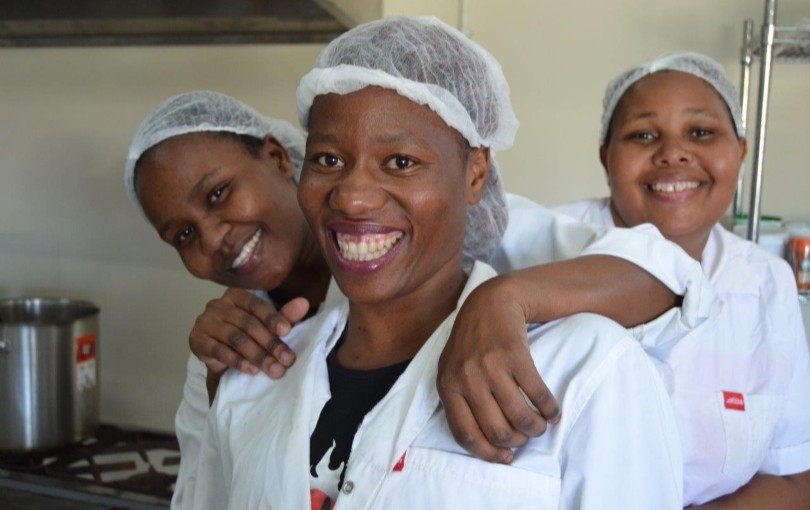
Based in rural Kenya, Meru Herbs began life as part of a community water project. What started as an effort to improve access to clean water has grown into a successful fair trade enterprise producing organic jams, sauces and herbal teas while creating employment and opportunities for local people.

A community-led beginning
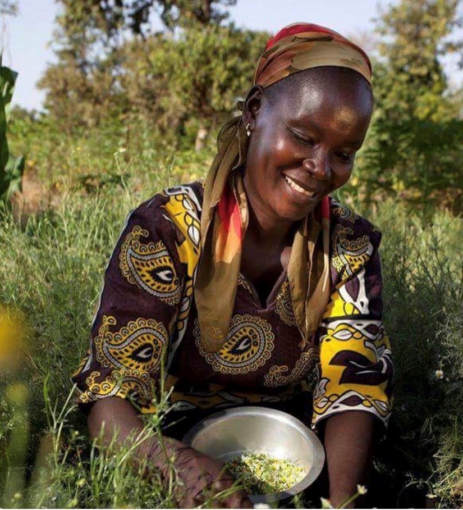
A Meru Herbs producer

The story of Meru Herbs dates back to 1989, when a water project was established to improve access to clean water in the local community.

Once the project was up and running, residents faced an important challenge: how could it be maintained and funded in the long term?

The solution was to create an income-generating business that could support the project while creating local jobs. Meru Herbs was established and began producing value-added food products using ingredients grown by local farmers.

More than 30 years later, the cooperative continues to support both livelihoods and community development.

Creating opportunities through fair trade

From the beginning, Meru Herbs has operated according to fair trade principles, helping ensure that producers and workers benefit directly from the success of the business.

The organisation creates employment opportunities within the local community, particularly for women and young people. These jobs provide income, skills development and greater financial independence, helping families invest in their futures.

Today, hundreds of small-scale producers contribute to the cooperative, supplying ingredients that are transformed into the products enjoyed by customers around the world.

From farm to finished product
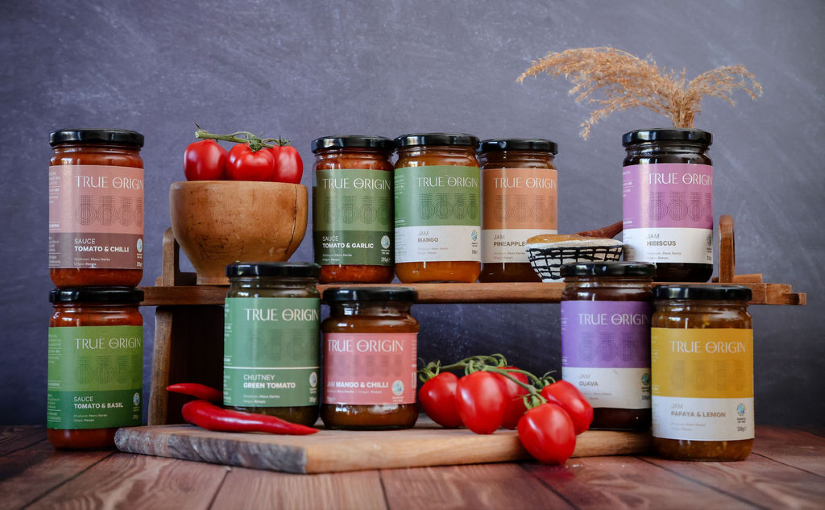
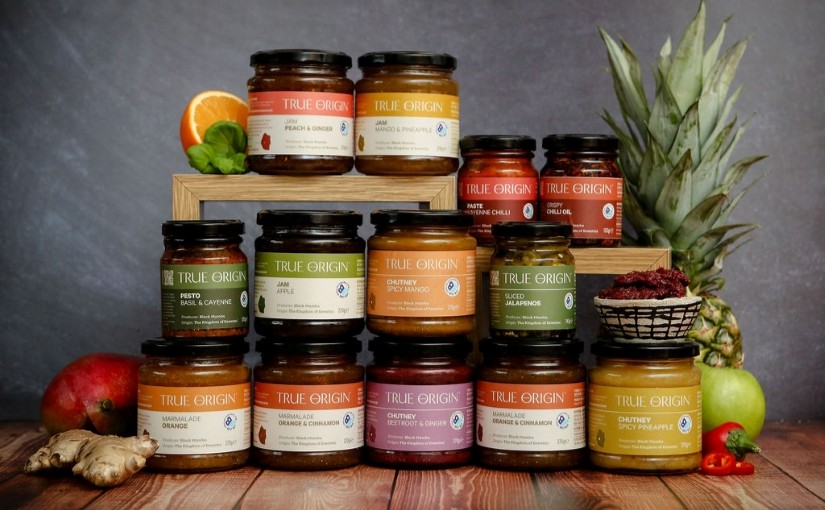
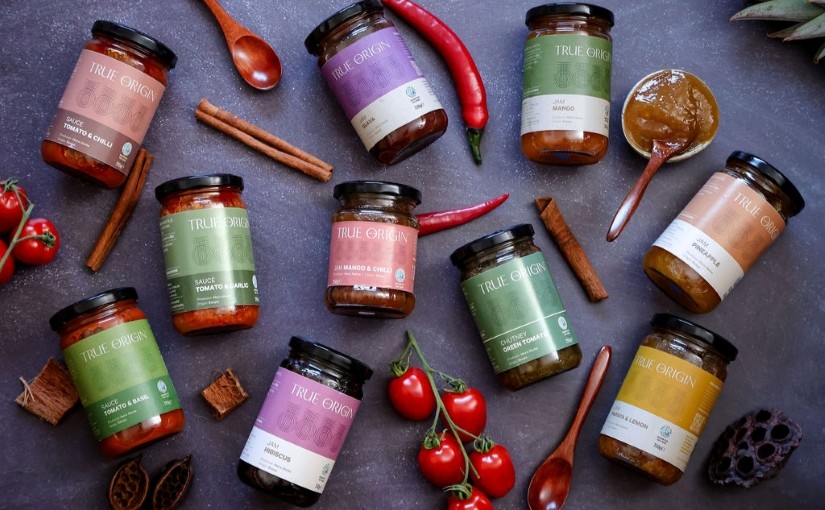
The True Origin Meru Herbs range arranged together on a table against a blue background

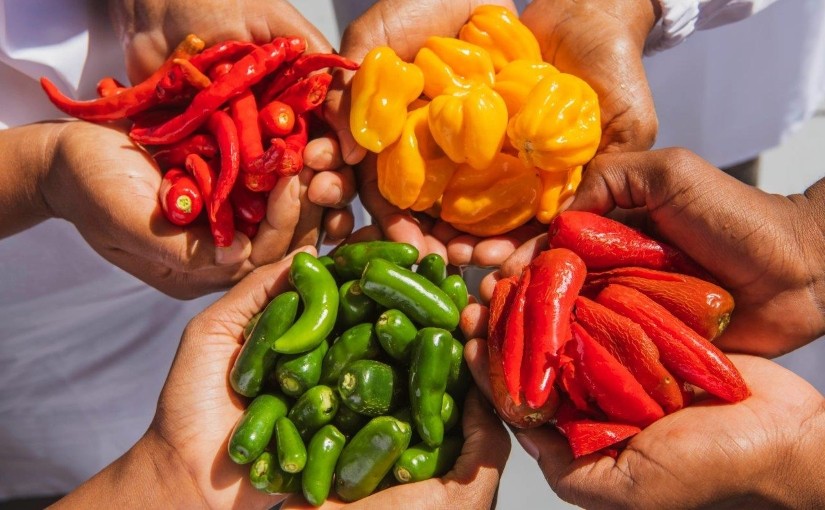
Meru Herbs works with local farmers who grow ingredients including tropical fruits, tomatoes and hibiscus using organic farming methods.

These ingredients are carefully processed into a range of jams, sauces and teas at the Meru Herbs production facility. Both the farms and processing unit are organically certified, reflecting a commitment to quality, sustainability and responsible production.

Every stage of the process is carefully managed to ensure the finished products are both delicious and ethically produced.

Working with True Origin

Bringing products from rural Kenya to UK customers requires strong partnerships.

Meru Herbs works with fair trade importer True Origin, an organisation dedicated to supporting producers and helping ethical products reach a wider audience. Through this partnership, Meru Herbs has been able to strengthen quality standards, develop new opportunities and continue investing in the future of the cooperative.

Looking ahead

Meru Herbs continues to look for ways to grow while staying true to the principles on which it was founded. Future plans include supporting more producers, creating additional employment opportunities and expanding the range of products available to customers.

Alongside this growth, the cooperative remains committed to sustainable farming, responsible production and supporting the local community that helped build its success.

Discover the range

From fruity jams and rich sauces to refreshing herbal teas, Meru Herbs products combine great taste with a strong commitment to fair trade and community development.

Explore our True Origin Meru Herbs range and discover the story behind every jar, bottle and box.
Sustainable store cupboard staples for easy summer entertaining

It’s summertime, which in the UK usually means it’s blazing hot one minute and hailing the next. That famously changeable British weather means you never quite know what you’re going to get – blame the jet stream – so planning a garden party can be tricky. When a sunny day does arrive and you feel like inviting people round, you don’t want the additional work of getting drinks and snacks in.

This guide covers sustainable store cupboard essentials for easy summer entertaining, so you can create an eco-friendly garden party without last-minute stress.

A well-stocked pantry makes it much easier to host at a moment’s notice. Here’s a quick guide to our favourite sustainable store cupboard essentials.

Drinks

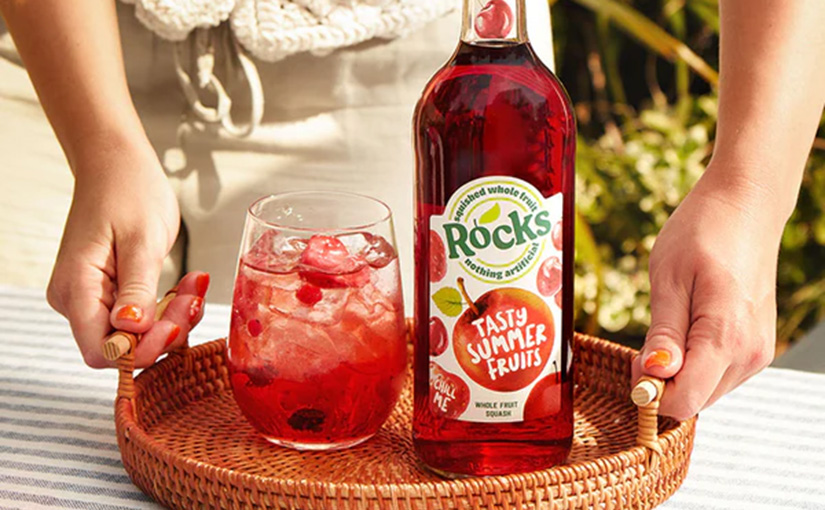
A bottle of Rocks summer fruits squash next to a glass on a drinks tray

Sustainable drinks and alcohol-free options for easy summer entertaining.

Drinks are usually the priority on a sunny day. Get those ice cubes jingling and little umbrellas twirling and the good times can roll. Having a few ready-to-serve options on hand makes entertaining effortless, with options for adults, kids and alcohol-free guests.

Nibbles

A packet of salt and vinegar love corn against a blue background

Easy, eco-friendly snacks that require zero preparation.

Who wants to cook when it’s hot? Sometimes you just want to open a packet – maybe pour it into a bowl if you’re feeling extra fancy. Be ready to go at a moment’s notice with these ready-to-eat snacks.

Dips & spreads

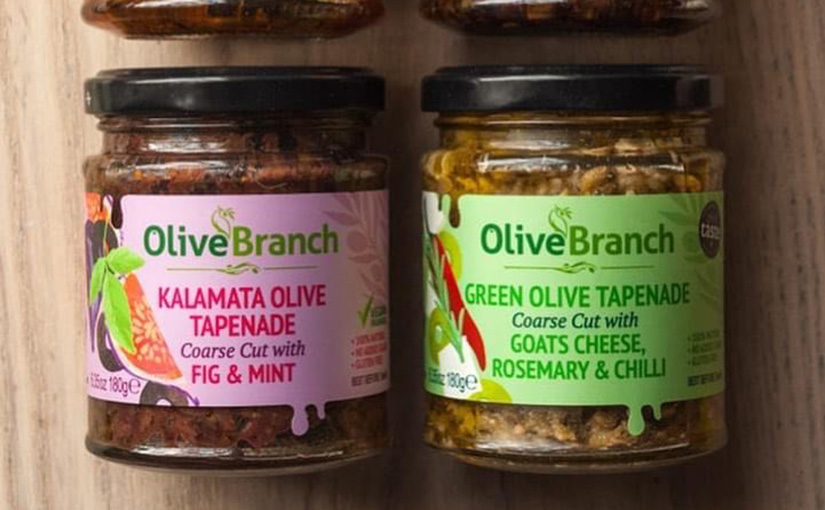
Two jars of Olive Branch tapenade shot from above

Another easy option, and one that always goes down well in hot weather. A small range of spreads can easily cater to all tastes. There’s something irresistibly summery about digging into a cool, refreshing dip – just add chips, crusty bread or crudités.

Condiments

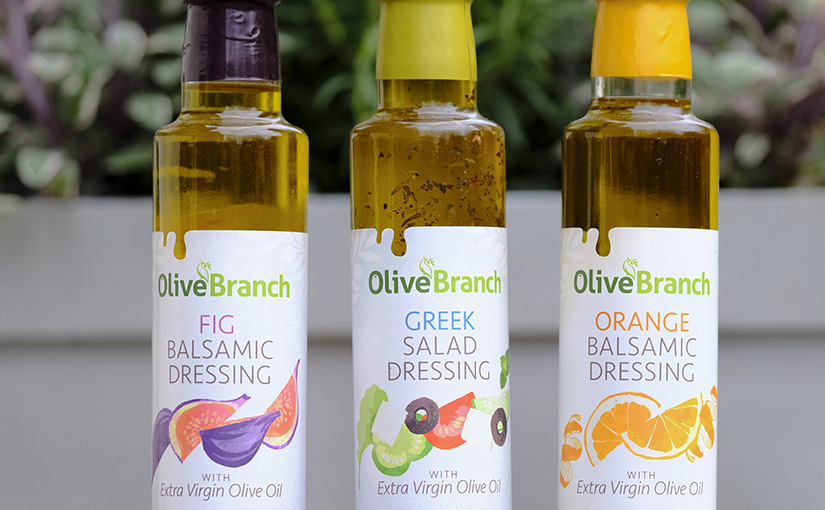
Three Olive Branch salad dressings stood side by side

A quick way to liven up your salads, rice dishes or cold cuts. Add a few condiments to your table and even the simplest dish can have a bit of added zing. Plus, they tend to be versatile and long-lasting, so nothing has to go to waste.

Chocolate

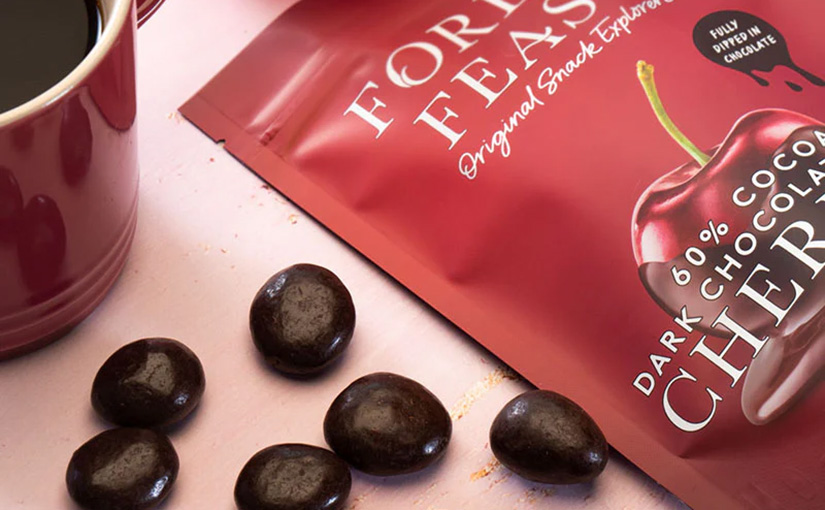
A partial view of a bag of Forest Feast dark chocolate cherries next to some spilled cherries

A snack for all seasons. No one’s going to object to these coming out at the garden party. Just make sure you keep them somewhere cool, so they melt in your mouth and not anywhere else.

Keep it sustainable

Choosing sustainable store cupboard staples means you’re always ready for eco-friendly entertaining without last-minute waste.

Some things to keep in mind when putting together your party pantry:

  • Shelf life – will it keep until the next festive opportunity?
  • Adaptable – does it suit every occasion?
  • Free from – is it suitable for your vegan or gluten-free guests?
  • Versatile – will it pair well with your other choices?

Let’s get started

With a well-stocked selection of sustainable store cupboard staples, you’ll always be ready for effortless summer entertaining. Shop with Natural Collection and keep your hosting both easy and more eco-friendly.

How a small producer from Eswatini is reshaping flavour with purpose

Some of the most distinctive products on our shelves come from brands that think far beyond food. One of those is Black Mamba Foods – in partnership with True Origin – a producer of chilli sauces, pestos and jams that carries a deeper mission alongside its bold flavours.

What makes their range stand out isn’t just taste, but the system behind it: regenerative agriculture, smallholder partnerships, and a strong commitment to community impact.

Bringing meaningful producers to the UK

The members of the Black Mamba production team

True Origin work to connect UK customers with producers who are often far removed from mainstream retail supply chains.

The goal is simple: make it easier for shoppers to discover foods that are both high quality and transparently made. All while ensuring producers receive recognition for the value they create at origin.

For Black Mamba, this partnership helps their products reach a wider audience of consumers who are actively looking for ethical, traceable food with real provenance.

A brand built from a gap in the food system

Black Mamba was founded in 2010 after a clear imbalance was spotted in Eswatini. Despite strong agricultural potential, most vegetables were being imported rather than grown locally for domestic value chains.

The idea behind the business was to shift that pattern by:

  • creating fair market access for smallholder farmers
  • building skills in organic and regenerative farming
  • producing value food locally

Over time, this model has helped over 60 smallholder farms and employs a team that  is around 95% women.

What goes into every jar

Four hands holding different colour chilies

Behind every bottle or jar is a production system that prioritises care over scale.

Ingredients such as chillies, fruits and herbs are grown using chemical-free, regenerative methods that focus on soil health and long-term productivity. Once harvested, they are processed in small batches to preserve both flavour and integrity.

The result is a range of products that are bold, vibrant and closely tied to their origin.

Impact beyond the product

What makes Black Mamba particularly notable is the structure around the products themselves.

Their model supports:

  • smallholder farmers receiving fair and stable income
  • a workforce that is predominantly women in skilled role
  • reduced reliance on imported produce in local markets

From field to finished product

Production begins in rural farming communities, where growers are trained in organic and permaculture-inspired techniques. These methods avoid synthetic chemicals and instead focus on soil regeneration and biodiversity.

Once harvested, fresh ingredients are transported to their facility in Matsapha, where they are transformed into finished products by a skilled production team.

Sustainability practices are embedded throughout the process, including:

  • glass packaging designed for recyclability
  • less than 3% landfill waste through recycling and composting systems
  • food safety standards are backed by FSSC22000 certification

It’s a production approach that aims to balance craft, safety, and environmental responsibility.

Shop the range

When you choose Black Mamba, you’re not just buying a condiment. You’re supporting a food system that values people, flavour, and the future equally.

From producer to pantry: the journey of an ethical product

Traceability and transparency are important values for any ethical product, but maybe none more so than chocolate. The chocolate industry is notoriously rife with exploitation and unfair treatment of farmers, meaning vigilance is of paramount importance.

A close up of three pairs of hands holding the range of 90g Divine Chocolate bars against a purple background

Come with us on a journey through the production chain for one of our favourite brands, Divine Chocolate.

Cocao beans: the start of ethical chocolate

Did you know cocao beans are technically seeds? They grow on the trunks and branches of cacao trees in 15-30cm ovoid pods. Cacao trees also have white-and-pink flowers that are pollenated by midges. They grow in hot places within 20 degrees of the equator – like Ghana, where Divine Chocolate sources their beans.

A Divine Chocolate worker holding a cacao pod

The amount of cocoa in chocolate varies by brand. Most Divine chocolate is 70% cocoa or more, which isn’t just good for flavour but ensures cocoa farmers get more work and better pay. Divine stick to natural ingredients and avoid monoculture crops like palm oil.

Harvesting cocoa sustainably

There’s an art to harvesting cacao beans. It must be done at the exact right level of ripeness and without damaging the rest of the tree. The pods are cut down, opened and scraped out – it’s skilful and labour-intensive work.

A Divine Chocolate worker handling cocoa seeds

Divine Chocolate was founded by Kuapa Kokoo, a Ghanaian cocoa farming collective who saw it as a more secure and profitable endeavour than dealing with the exploitative chocolate giants. Divine grew in leaps and bounds, but Kuapa still own 45% of the company – meaning fair treatment and fair wages remain a priority.

How chocolate is processed

Untreated cocao beans don’t taste much like chocolate – in fact they’re very bitter. The process of turning them into the sweet treat we all know and love is surprisingly convoluted. They first need to be wrapped in leaves and left in the heat to ferment, then spread on tables in the sun to dry out. Once dried, they’re stored in bags marked with a village code, keeping everything transparent and easily traceable.

Four Divine Chocolate producers

After being roasted, the beans are crushed to remove the cocao nibs from their shells. These nibs are then ground into cocoa mass, which can be separated into cocoa butter and cocoa powder. Both these products have their separate uses, but we’re making chocolate here; so butter and mass are recombined in a carefully controlled ratio, with milk and sugar added as appropriate.

A bit of conching (continuous stirring over several days) and tempering (slow cooling) later, Divine Chocolate have the basis of their chocolate. This is when it can be mixed with other ingredients like fruit, nuts, salt, or whatever flavour you like. Then it’s ready to be packed.

A close up a 35g wrapped Divine Chocolate creamy white chocolate bar

Ethical distribution and sustainability

Carbon-neutrality is a common aim for ethical businesses – Divine Chocolate’s warehouse for online orders goes one better by being carbon-negative. Air freight is kept to a minimum, and packaging is reviewed annually to make sure it maintains the highest environmental standards. No wonder Divine is certified both by Fairtrade International and B Lab.

Check out the full Divine Chocolate range.

Easter shopping guide

Easter is just over a month away – whether you’re looking for a traditional egg or something more unique, Natural Collection has you covered. Here’s some of our favourite ethical Easter treats.

Booja Booja

Booja Booja Easter trinket box

Say no to disposable single-use packaging with Booja Booja’s quirky take on the Easter egg, a gorgeously hand-painted egg-shaped box full of vegan-friendly gluten-free truffles, in flavours ranging from honeycomb to hazelnut. Once empty you can use it to store jewellery and odds & ends. A larger box is also available with champagne or salted caramel truffles.

Mummy Meegz

Vegan chocolate experts Mummy Meegz specialise in replacements for your favourite choccy treats, and their Easter range is no different. Their signature Chuckie Eggs and Chickie Eggs mean vegans don’t have to miss out on the classic goodies at this time of year. If you can’t get enough of their oat milk chocolate, give this charming Easter bunny a go.

Catherine’s Originals

Catherine's Originals Obar

Enjoy more dairy-free variations on classic chocolate bars courtesy of Catherine’s Originals. Their O’Bar is packed full of almond and vegan-friendly honeycomb and also comes in white, pistachio and raspberry ripple varieties.

Montezuma’s

Montezumas Easter range against a pink background

Montezuma’s organic Easter egg range has everything you could possibly want. A dark chocolate egg that’s 100% cocoa solids? All yours. White chocolate strawberry cheesecake? Sorted. Hot cross bun truffle bites? Why not. A salted caramel chocolate chicken? Say no more.

Chococo

The Chococo Easter range against a yellow background

With their angular paint-splattered look, award-winning Dorset chocolatiers Chococo make Easter stylish and unique – and sustainable thanks to their recyclable plastic-free packaging and support for conservation and reforestation projects. Their oatmilk chocolate bunnies and dark chocolate orange eggs are perfect gifts for vegan chocolate lovers.

Moo Free

As the name suggests, you won’t find a hint of dairy in Moo Free’s chocolate – it’s all made with fair trade cocoa too.  Each egg comes with an accompanying chocolate bar of the same flavour, from cherry bakewell to rocky road. Grab their egg hunt kit for a bit of Easter fun with the kids.

Tony’s Chocolonely

Ending exploitation and inequality in the cocoa farming industry is at the centre of Tony’s Chocolonely’s operation, and they make a delicious Easter eggs along the way, especially when it’s infused with salted caramel. For a chance to sample their most popular flavours, try their chocolate egg mix.

Cartwright & Butler

Cartwright & Butler Easter Simnel loaf

Sick of chocolate? Cartwright and Butler provide an alternative range of sweet treats this Easter, such as their Easter biscuits, sultana-studded and flavoured with lemon oil. Or try their simnel loaf cake, a classic British springtime dessert. Both come beautifully presented in ornate reusable tins.

Suma: Food done fairly

Stock your cupboard with ingredients you can trust not just for taste but for the people and communities behind them.

Suma has been filling kitchens with organic, natural and fair trade food since 1977. Their mission is simple: good food, done fairly. From cupboard staples to speciality items, they focus on sourcing responsibly and supporting producers who share their values.

A different kind of food business

Two cans of Suma Kombucha next to two glasses filled with kombucha

What sets Suma apart is their structure. They’re a worker owned co-op, meaning there are no bosses and everyone is treated equally. Suma is Europe’s largest equal pay co-op, built on principles of fairness, integrity and sustainability.

That difference matters. It means the people who make the business work are the same people who benefit from it. Not just shareholders or external owners.

Transparent supply chains you can trust

Three bags of different pastas from suma along with pasta sauce on a wooden table (shot from above)

You don’t have to guess where your food comes from. Suma keeps their supply chains transparent and prioritise working with other co-ops and likeminded ethical producers whenever possible.

So, when you choose Suma, you’re choosing a brand that has already done the research for you and that’s a rare thing in today’s food market.

A small step towards a fairer food system

A can of Suma organic kidney beans on a wooden  table next to various plates of food

Suma isn’t just about selling food, they’re about supporting a fairer, more sustainable world. Every item is a small vote for better farming, fair pay, and ethical sourcing.

Whether you’re stocking up on organic beans and pulses, picking up fair trade coffee, choosing pasta from a co-op of Italian organic growers, or trying craft brewed kombucha from Yorkshire, Suma offers everyday essentials with real values behind them.

Shop the Suma range

If you want store cupboard staples that do more than just feed you, Suma is a simple way to make your everyday food choices more ethical, without compromising on quality or convenience.